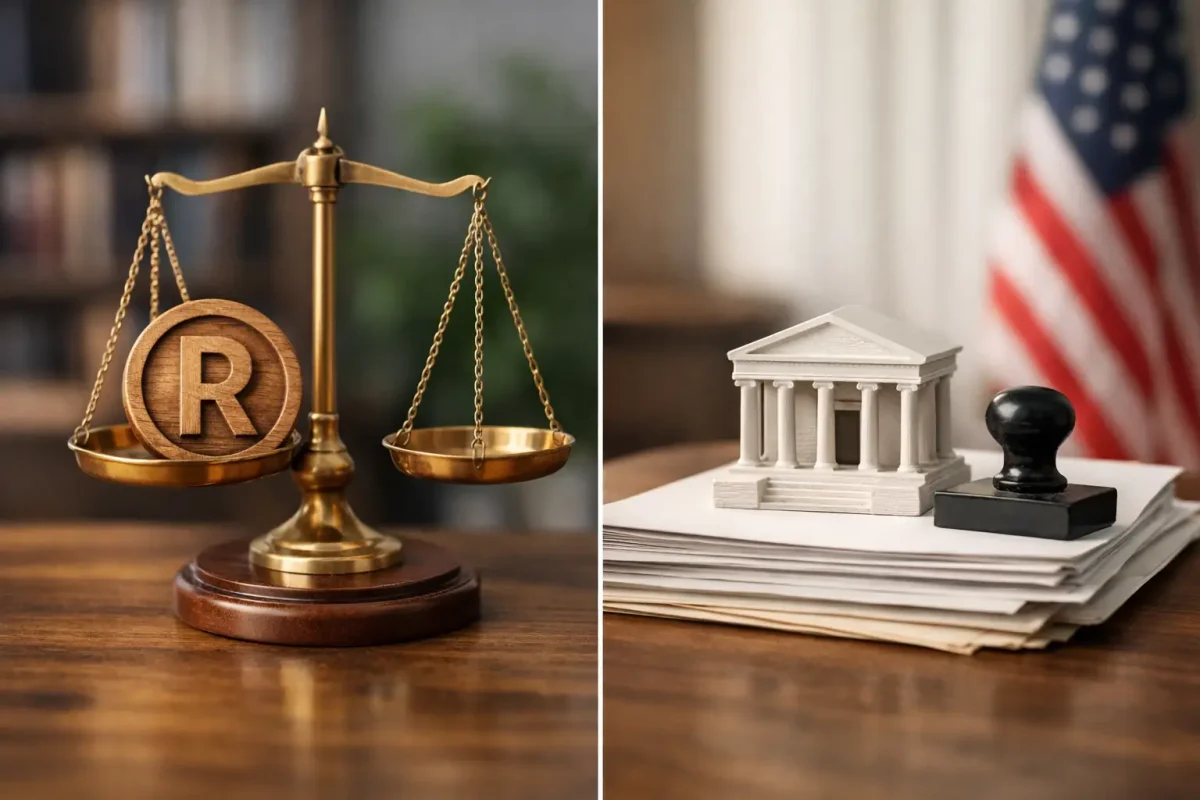
How to File Trademark Assignment Correctly

Learn how to file trademark assignment correctly with the USPTO, what documents you need, common mistakes, timing issues, and filing steps.

A trademark assignment usually comes up at a high-stakes moment – you sold a brand, moved assets into a new LLC, bought a business, or cleaned up ownership before enforcement or licensing. When that ownership record is wrong, routine business moves can stall fast. If you are wondering how to file trademark assignment paperwork properly, the key is getting both the transfer document and the USPTO record updated in a way that matches the underlying legal reality.

This is one of those filings that looks simple until it is not. The USPTO assignment recordation system is administrative, but the consequences are legal. A typo in the owner name, an incomplete transfer, or a mismatch between the assignment document and the trademark record can create problems later when you renew, respond to a USPTO issue, or try to prove ownership in a dispute.

What a trademark assignment actually does

A trademark assignment transfers ownership of a trademark from one party to another. The assigning party is the assignor. The receiving party is the assignee. That transfer can involve a pending application, a registered trademark, or in some cases a bundle of related rights tied to a business sale.

The part many business owners miss is that a trademark cannot be transferred in a vacuum. In most cases, the assignment should also include the goodwill associated with the mark. Goodwill is the business value and customer recognition connected to the brand. If someone tries to transfer only the name or logo without the underlying business goodwill, the assignment can be vulnerable to challenge.

That is why an assignment is not just a clerical filing. It is a legal transfer of property rights, and the paperwork should reflect that clearly.

When you need to file trademark assignment documents

You may need to record an assignment when a company changes structure, when a founder transfers the mark to the business entity, when one company acquires another, or when brand assets are sold separately. It also comes up during mergers, internal reorganizations, and estate planning.

Some transfers are straightforward, and some are not. Moving a mark from an individual founder to a newly formed LLC may be simple if the same business continues using the mark. A transfer after an asset purchase can be more complex because the agreement may cover multiple marks, product lines, and related business assets. The more moving parts there are, the more important it becomes to make sure the trademark assignment language is precise.

How to file trademark assignment with the USPTO

If you want to know how to file trademark assignment records the right way, think of it as a two-part process. First, prepare the assignment document itself. Second, record that document with the USPTO Assignment Recordation Branch.

Step 1: Confirm the current owner and the exact trademark details

Before drafting anything, verify who currently owns the mark in the USPTO record and how that owner name appears. Check the application or registration number, mark wording, and status. If the owner is listed as an individual but your contract names an LLC, or if the company name changed without being updated, that mismatch needs attention before or during the filing strategy.

Accuracy matters here. The USPTO records trademarks based on exact owner identity, and even small differences can create avoidable friction.

Step 2: Prepare the assignment document

The assignment document should identify the assignor and assignee, describe the mark or marks being transferred, state that the transfer includes the associated goodwill, and be signed by the proper party. Depending on the transaction, the document may be a short standalone assignment or a portion of a larger asset purchase agreement.

This is where legal judgment matters. A very short assignment may be enough for a clean internal transfer. A more detailed agreement is usually better when there are payment terms, representations, multiple assets, or transition obligations. If the transfer is part of a broader deal, recording only the relevant trademark assignment excerpt may be appropriate, especially if the full agreement contains confidential terms.

Step 3: Submit the recordation filing through the USPTO system

The USPTO allows assignment recordation electronically. You will generally provide the conveyance type, party information, trademark application or registration numbers, and the supporting document. The filing must match the actual transfer document.

This step is administrative, but it is not just data entry. If the conveyance type is wrong, the wrong marks are listed, or the names do not line up exactly with the signed assignment, the public record can become confusing. That confusion can be costly later.

Step 4: Keep proof of recordation and review the updated record

After submission, review the USPTO record once the assignment is processed. Make sure the assignee is shown correctly and that all intended application or registration numbers were included. Save the reel and frame details or other recordation confirmation for your files.

Do not assume the filing is finished just because it was submitted. Confirming the updated ownership record is part of doing the job correctly.

Assignment vs name change vs merger

Not every ownership update is a trademark assignment. Sometimes the right filing depends on what actually happened in the business.

| Situation | Correct approach | Common risk | |—|—|—| | Brand sold to a different person or company | Assignment | Leaving goodwill out of the transfer | | Company changed its legal name only | Name change recordation | Filing an assignment when ownership did not actually change | | One company merged into another | Merger or other conveyance recordation | Using the wrong conveyance type | | Founder transfers mark to new LLC | Assignment, if ownership changed | Mismatch between actual use and record owner |

This distinction matters because the USPTO record should reflect the real transaction. Filing the wrong kind of ownership update can create questions about chain of title.

Common mistakes when filing a trademark assignment

The most common mistake is treating the filing like a simple formality. If the assignment document is vague or incomplete, recording it does not fix those defects. The USPTO records documents, but recordation does not mean the agency has validated that the transfer is legally sufficient.

Another frequent issue is transferring an intent-to-use application before the business tied to the mark is transferred. Federal law places limits on assigning certain intent-to-use applications before a valid statement of use, unless the transfer goes with the relevant business and goodwill. This is an area where a filing can look accepted on the surface while still carrying legal risk.

Business owners also run into trouble by using inconsistent entity names, failing to include all affected marks, or recording partial deal documents that do not clearly show what was transferred. Those are all avoidable with careful review.

Timing considerations and why delays can hurt

There is no good business reason to let an ownership transfer sit unrecorded for months if the transaction is already complete. A delayed update can complicate maintenance filings, enforcement efforts, due diligence, and later licensing or sale discussions.

If someone searches the USPTO database and sees the wrong owner, that can raise unnecessary questions. In some situations, delayed recordation can also weaken your ability to show a clean chain of title quickly. For startups and growing brands, that matters more than many founders expect.

Should you handle it yourself or use an attorney?

Some assignment filings are simple enough for a business owner to complete with the right guidance. If the transfer is one mark, one assignor, one assignee, and a clean business context, the process can be manageable.

But many cases are not that neat. If the trademark is valuable, if the transfer is tied to a sale or reorganization, if there is any issue about goodwill, or if the ownership history already looks messy, attorney review is usually worth it. A filing service can upload a document. A trademark attorney can help determine whether the document says the right thing in the first place.

That difference matters. MyBrandMark focuses on attorney-led trademark services because legal protection is stronger when the strategy and documents align, not just the filing screen.

FAQ

How long does it take to record a trademark assignment?

Processing times vary, but electronic recordation is generally faster than paper filing. The practical point is to submit promptly and then verify that the USPTO record updates correctly.

Do I need to record a trademark assignment for it to be valid?

A trademark assignment can be legally valid between the parties even before it is recorded, but recording it with the USPTO is strongly recommended. It creates a clearer public record and helps protect the assignee’s position.

Can I assign a pending trademark application?

Yes, but it depends on the application type and the surrounding business facts. Intent-to-use applications require special caution because some transfers are restricted before proof of use is filed.

What if I changed my business name but did not sell the trademark?

That may call for a name change recordation rather than an assignment. The correct filing depends on whether ownership actually changed or the owner simply adopted a new legal name.

What should be included in a trademark assignment?

At a minimum, the document should identify the assignor and assignee, clearly describe the trademark rights being transferred, include associated goodwill, and be properly signed. More complex deals may need additional terms.

If your brand is worth protecting, ownership records deserve the same attention as the registration itself. Filing it correctly now is usually far cheaper than fixing the chain of title after a deal, dispute, or deadline exposes the problem.


Feel free to request our services! | Permalink | Posted @ 02:09 AM

MyBrandMark.com is a website designed to facilitate legal processes related to trademark acquisition, licensing and maintenance. The website is affiliated with and operated by attorneys who specialize in different areas of intellectual property law, particularly trademark law.

Posted on

What Makes Trademark Descriptive?

Learn what makes trademark descriptive, how the USPTO evaluates names, and when a descriptive mark may still become protectable.

A lot of trademark problems start with a name that feels perfect for marketing. It tells customers exactly what the product is, what it does, or why it is useful. That may sound like smart branding, but it is often exactly what makes trademark descriptive in the eyes of the USPTO.

If you are naming a business, product, or service, this issue matters early. A descriptive mark is harder to register, harder to enforce, and more likely to trigger an office action. The challenge is not whether the name is catchy. The question is whether the wording functions as a brand identifier or just describes what you sell.

What makes trademark descriptive under U.S. law

A trademark is considered descriptive when it immediately tells consumers something important about the goods or services. That can include the product’s ingredients, quality, function, purpose, feature, size, use, or intended audience. The key word is immediately. If a consumer sees the mark and understands a characteristic of the offering without any thought process, the USPTO may view it as merely descriptive.

For example, a name like CREAMY for yogurt, FAST TAX for tax preparation, or COLD AND CRISP for sparkling water may raise descriptiveness concerns. These terms do not require imagination. They communicate information about the product or service right away.

That is the basic answer to what makes trademark descriptive. The mark describes rather than distinguishes.

Why descriptive trademarks face registration problems

Trademark law is designed to protect source identifiers, not to give one business control over common descriptive language that competitors may need to use. If one company could own a basic term that directly describes a product feature or service quality, others would be unfairly restricted from describing their own offerings.

That is why the USPTO often refuses registration on the Principal Register for marks it considers merely descriptive. The agency is asking a practical question: will buyers see this as a brand name, or will they just see it as information?

This does not mean every descriptive term is permanently unregistrable. It does mean the path is harder, and the legal strategy matters.

Descriptive vs. suggestive – the line that causes confusion

Many applicants assume their mark is strong because it is clever. But trademark strength does not turn on creativity alone. The real issue is how much mental work a buyer has to do.

A suggestive mark hints at a quality or result but does not describe it directly. It takes a step of imagination to connect the mark to the goods or services. Descriptive marks do not require that step.

Take a skin care brand as an example. SOFT GLOW for lotion may be seen as descriptive if it tells buyers the expected result. But something like MOONVEIL for lotion is more likely suggestive because it creates an impression rather than plainly describing a feature.

This line is not always clean. Reasonable arguments can exist on both sides, which is why attorney review before filing can save time and filing fees.

The USPTO does not judge the mark in a vacuum

One common misunderstanding is that a word is descriptive or not descriptive in every context. That is not how trademark review works. The USPTO evaluates the wording in relation to the specific goods or services listed in the application.

A term that is descriptive for one category may be distinctive in another. DELUXE might be descriptive for hotel services if it signals quality, but less clearly descriptive for an unrelated software product depending on how it is used. Context drives the analysis.

This matters because applicants often focus only on the name itself. The identification of goods and services can shape how the examining attorney sees the mark.

Common traits of a descriptive trademark

If you are screening a name before filing, descriptive marks often share a few patterns. They directly name a feature, such as speed, flavor, softness, or color. They state the intended user, like KIDS or PRO. They identify the function, like CLEAN, PRINT, or SHIP. They also often combine ordinary words in a way that still gives a direct message rather than a brand impression.

Even if the exact phrase is not found in a dictionary, it can still be descriptive. The USPTO regularly refuses compound words, misspellings, and slogan-style wording when the meaning remains obvious. QUICKKLEAN may still be descriptive for cleaning services. So can BEST BOOKKEEPING for accounting services.

A small twist in spelling usually does not solve the underlying problem.

Can a descriptive trademark ever be registered?

Yes, but it depends on the facts.

A descriptive mark may sometimes be registered on the Supplemental Register if it is already in use in commerce and meets other requirements. That option does not provide all the advantages of the Principal Register, but it can still offer meaningful benefits, including appearing in USPTO records and serving as a barrier against later-filed confusingly similar marks.

A descriptive mark may also reach the Principal Register if it has acquired distinctiveness, sometimes called secondary meaning. That means consumers have come to recognize the descriptive term as identifying one specific source rather than just describing the goods or services.

Proving acquired distinctiveness is not automatic. The USPTO may look at length and extent of use, advertising, sales, customer recognition, and other evidence showing that the public connects the term with your business.

Why this is harder for newer businesses

Founders often want legal protection before they invest more in branding, packaging, and marketing. That is sensible. But if the mark is descriptive, a new business usually will not yet have the evidence needed to prove acquired distinctiveness.

That creates a timing problem. The very businesses that most need a strong filing position are often the least able to overcome a descriptiveness refusal with proof of consumer recognition.

This is one reason naming strategy matters so much before launch. A stronger mark on day one usually gives you a cleaner path to registration and enforcement.

What examining attorneys look at

When deciding what makes trademark descriptive, examining attorneys may review dictionary definitions, industry usage, competitor websites, online listings, and the way the applicant uses the term in its own materials. If your own marketing copy uses the wording as a product description instead of as a brand, that can work against you.

For example, if your application seeks protection for a phrase and your website repeatedly uses that phrase to describe a feature or benefit in plain language, the USPTO may cite that usage as evidence that consumers will see the term descriptively.

This is where legal review becomes practical, not theoretical. Filing strategy involves more than submitting a form. It includes evaluating the mark, the goods and services description, and how the brand appears in the marketplace.

How to reduce descriptiveness risk before filing

The strongest marks tend to be suggestive, arbitrary, or fanciful rather than descriptive. In plain terms, that usually means choosing a name that does not immediately tell buyers what the product is.

That does not mean your brand has to be abstract or hard to market. It means the trademark itself should function as a source identifier, while your tagline, packaging, and website explain what you sell.

A practical approach is to separate the brand name from the product description. For instance, the name can be distinctive, and the descriptive wording can appear nearby in ordinary text. That lets you market clearly without building your legal protection around weak terminology.

If you already use a descriptive name, the right next step depends on your goals. Sometimes it makes sense to file with a realistic strategy. In other cases, a rebrand or adjustment before filing is the smarter long-term move.

What makes trademark descriptive enough to trigger a refusal

Not every descriptive issue leads to the same outcome. Some marks are plainly descriptive and likely to receive an immediate refusal. Others sit in a gray area where strong legal argument may help. The difference often comes down to whether the wording directly conveys information or whether some thought, perception, or interpretation is needed.

That is why two businesses can look at the same name and reach opposite conclusions. One sees a memorable brand. The USPTO may see a product description.

For business owners, the takeaway is simple. A name that explains your offering too clearly may feel efficient in marketing, but it can create real trademark limitations. Before you file, it is worth asking not just whether the name sounds good, but whether it is legally strong enough to protect.

At MyBrandMark.com, this is where attorney review adds real value. A filing service can submit an application. An attorney can help you assess risk, spot descriptiveness issues early, and build a strategy around a mark that gives your business stronger legal footing. A good trademark is not just available. It is protectable, enforceable, and built to last.


Feel free to request our services! | Permalink | Posted @ 12:34 PM

MyBrandMark.com is a website designed to facilitate legal processes related to trademark acquisition, licensing and maintenance. The website is affiliated with and operated by attorneys who specialize in different areas of intellectual property law, particularly trademark law.

Posted on

Best Brand Naming Legal Checks to Do First

Learn the best brand naming legal checks for U.S. businesses, from trademark conflicts to domain risks, before you invest in a name.

A founder falls in love with a name long before the legal issues show up. The logo gets drafted, the domain gets purchased, packaging gets mocked up, and then a trademark conflict appears. At that point, fixing the problem is far more expensive than preventing it. That is why the best brand naming legal checks should happen before you build around a name, not after.

For most businesses, naming risk is not just about whether a name sounds good or whether a web address is available. The real question is whether the name can be used and protected in the United States without creating avoidable legal exposure. A smart naming process balances branding with clearance. That does not mean every name needs to be perfect. It means you need to know where the real risks are before you commit.

What the best brand naming legal checks are really meant to catch

The goal of legal checks is not simply to see whether someone already owns the exact same word. That is one of the most common misunderstandings. Trademark problems often come from names that are similar enough to confuse buyers, especially when the goods or services are related.

A name can look clear at first glance and still create trouble. Spelling variations, phonetic similarities, shared dominant words, and overlapping product categories can all matter. If your proposed brand is close to another business in the same space, the problem is not only registration. You may also face a cease-and-desist letter, rebranding costs, marketplace complaints, or blocked ad accounts and social profiles.

That is why legal screening should be broader than a quick exact-match search. If you only check one database for one spelling, you can miss the conflicts that matter most.

Best brand naming legal checks before you launch

The first check is a trademark search focused on likely conflicts, not just identical names. In the U.S., trademark rights can arise from use in commerce, and federal registrations add another important layer of protection. A proper review looks for similar marks, related goods and services, and the overall risk of consumer confusion.

This is where founders often underestimate the issue. Two names do not need to be identical to conflict. If they sound alike, have similar meanings, or create a similar commercial impression, the risk may still be real. A legally safer name is usually one that has enough distance from others already operating in your category.

The second check is common law use. Many business owners search the USPTO database and stop there. That is not enough. Businesses can have enforceable rights even without a federal registration, especially if they have been using the name in a meaningful way in the market. That means online stores, service businesses, local competitors, and direct-to-consumer brands can all matter.

The third check is state-level business name and trademark records. These records do not answer the whole trademark question, but they can reveal existing businesses that may affect your ability to expand or register later. If a name is already crowded at the state level, that is often a sign to slow down and assess the bigger picture.

The fourth check is domain and social handle overlap. These are not trademark determinations, but they still affect legal and business risk. If another business in your space already controls the obvious domain or social identities tied to the name, that can lead to confusion and limit your ability to build a clean brand presence. Sometimes this is a branding inconvenience. Other times, it is an early warning sign of a deeper conflict.

Why USPTO-only searches can give false confidence

A USPTO search is important, but it is not the whole clearance process. It tells you what has been filed and registered federally. It does not automatically show every business using a similar name in the market, and it does not replace legal analysis.

The bigger issue is interpretation. Founders often search for an exact word, see no obvious match, and assume the name is available. But trademark review is about similarity, relatedness, and context. A crowded field of similar names can make registration more difficult even if your exact wording is missing.

There is also a timing issue. A database result is a snapshot, not a guarantee. New applications are filed regularly, and unregistered users may already be active. That is one reason attorney review matters. The legal question is not just what appears on a screen. It is what level of risk the name carries in actual use.

Distinctiveness matters as much as clearance

One of the best naming decisions you can make is choosing a name that is legally stronger from the start. Some names are easier to protect because they are more distinctive. Others are weak because they are too descriptive, too generic, or too close to common industry wording.

If your name directly describes what you sell, it may seem good for marketing, but it can be harder to register and enforce. A descriptive name may face refusals, narrower protection, or both. By contrast, a more distinctive name usually gives you a better chance at stronger trademark rights.

This is where legal and branding strategy should work together. A name that is catchy but weak can create long-term problems. A name that is distinctive, clear, and supportable legally gives your business a better foundation. The best outcome is not just a name you can use today. It is a name you can build around for years.

When a name is probably too risky

Some warning signs should make you pause. If your proposed name differs from a known brand by only one letter, if it uses the same core word in the same market, or if search results show multiple similar businesses selling related goods or services, the risk may be higher than it appears.

Another issue is category overlap. A name might be available for one type of business but risky for another. Trademark rights are tied to use with specific goods and services, so context matters. A software brand and a clothing brand may coexist more easily than two brands selling similar online retail products. That is why broad assumptions about availability can be misleading.

There is also a practical business test. If you have to explain repeatedly how your brand is different from another company with a similar name, that is not just a marketing problem. It may be a legal one too.

Attorney review versus DIY searching

Founders often start with DIY searching, and that makes sense. Early screening can help eliminate clearly unavailable names. But DIY searching has limits. It is easy to miss similar marks, overlook category issues, or underestimate how the USPTO and other rights holders may view a conflict.

An attorney-led review adds two things that matter. First, it expands the search beyond obvious exact matches. Second, it applies legal judgment to the results. That judgment is what helps you decide whether to move forward, adjust the name, or pick a safer option before spending more money.

This is especially valuable when the name will carry real business weight. If you are investing in packaging, ad campaigns, Amazon listings, storefront signage, or a national launch, the cost of getting the legal checks wrong can quickly exceed the cost of doing them properly.

For businesses that want attorney-led support without traditional law firm pricing, firms like MyBrandMark.com are built around that middle ground – real legal guidance, flat-fee clarity, and a process that is easier to act on.

A practical way to evaluate a shortlist

If you are choosing between several names, do not ask only which one sounds best. Ask which one is both marketable and legally workable. A useful shortlist review usually looks at three things together: conflict risk, distinctiveness, and brand usability.

A name with low conflict risk but weak distinctiveness may not be the best long-term asset. A highly creative name with strong distinctiveness but serious conflict issues is not a good bet either. The strongest choice is often the name that clears reasonably well, stands apart from competitors, and gives you room to secure trademark protection and consistent branding.

That is also why it helps to run legal checks before public use. Filing applications, announcing a launch, or investing in inventory before you understand the risk can box you into a bad decision.

The right time to do legal checks

The best time is early, when you still have options. Once a name is tied to design work, packaging, customer recognition, and marketing spend, changing course gets harder. Legal checks are not the final step after branding. They are part of picking the brand.

If you are in the naming stage now, treat legal review as a business filter, not a hurdle. It protects your budget, reduces the chance of a forced rebrand, and puts you in a better position to build something you can actually own.

A strong brand name should do more than look good on a website or label. It should give you confidence that the business you are building has a name worth keeping.


Feel free to request our services! | Permalink | Posted @

MyBrandMark.com is a website designed to facilitate legal processes related to trademark acquisition, licensing and maintenance. The website is affiliated with and operated by attorneys who specialize in different areas of intellectual property law, particularly trademark law.

Posted on

Best IP Protection for Online Sellers

Learn the best IP protection for online sellers, from trademarks to enforcement, so your brand stays protected as your store grows.

A seller spends months building a product listing, refining packaging, collecting reviews, and growing repeat customers. Then a copycat shows up with a similar brand name, reused photos, or a lookalike product page. At that point, the question is no longer whether IP matters. It is what the best IP protection for online sellers actually looks like when revenue, reputation, and marketplace access are on the line.

For most U.S. online sellers, effective protection starts with understanding that intellectual property is not one thing. Your brand name, logo, product images, written listings, packaging, and original product features may all raise different legal issues. The strongest strategy is usually layered. It combines the right registrations, clear ownership, and a plan for enforcement before a problem turns into lost sales.

What the best IP protection for online sellers usually includes

If you sell on Amazon, Shopify, Walmart Marketplace, Etsy, TikTok Shop, or your own site, your first priority is usually brand protection. That means protecting the name customers remember and the logo they associate with your store. In many cases, a federal trademark application is the most practical first step because it helps establish nationwide rights and gives you a stronger position if someone adopts a confusingly similar mark.

That matters for more than courtroom disputes. Marketplaces often respond more effectively when sellers can point to formal trademark rights. A registered mark can also support brand registry programs and improve your ability to report infringing listings, counterfeit sellers, or copycat branding.

The next layer is copyright. Online sellers often create original product photos, videos, listing copy, packaging text, and marketing materials. Those assets have value because they help convert buyers. They also get copied constantly. Copyright law can protect original creative content, but it protects expression, not general product ideas. That distinction matters. A competitor can describe the same type of product. They generally cannot just lift your photos and paste them into their storefront.

There is also a practical business layer that many sellers miss. Contracts, vendor agreements, and internal ownership records matter because they answer a simple question: who actually owns the brand assets? If a freelancer designed your logo, wrote your copy, or created your packaging, ownership should be clearly documented. Without that, enforcement can get harder than it should be.

Why trademarks are often the starting point

For many ecommerce businesses, trademarks are the center of the best IP protection for online sellers because the brand usually carries the long-term value. Products can change. Advertising channels can change. Your brand recognition is what customers search for, remember, and recommend.

A federal trademark registration can help protect your business name, brand name, logo, and in some cases product line names. It can also help prevent costly rebranding. Sellers often wait until they have traction to think about filing, but that delay creates risk. Another business may file first, or you may learn too late that your chosen name conflicts with an existing registration.

This is where legal guidance matters. Filing is not just a paperwork exercise. A clearance search helps assess conflict risk before you invest further in packaging, listings, and ads. The application itself should match how the mark is actually used and how your goods are identified. Errors at the start can lead to refusals, delays, or a registration that is too weak to help when you need it most.

A low-cost filing platform may look appealing, especially for small sellers watching margins. But if the platform is mostly collecting information and forwarding forms, you may still be left on your own when the USPTO raises issues or a conflict appears. Attorney-led filing tends to be more valuable when your goal is protection, not just submission.

Copyright matters more than many sellers realize

Online selling depends on content. Your images, videos, infographics, bundle descriptions, storefront design elements, and brand story all influence conversion. Those materials are also easy for bad actors to copy.

Copyright can protect original creative work, and in many cases it gives sellers a useful basis for takedown requests. This can be especially important when copycats steal product photography or duplicate written listing content. Sellers sometimes focus only on the product and overlook the value of the assets around it. But those assets often shape how your brand looks to the customer.

There is a trade-off here. Copyright protection can exist once original work is created, but registration can strengthen enforcement options. Whether registration makes sense depends on the volume and value of the content, how often it is reused without permission, and how central it is to your business. A high-volume brand investing heavily in original creative assets may have stronger reasons to formalize this protection than a newer store still testing basic product pages.

Marketplace enforcement is easier when your rights are clear

Most online sellers are not trying to prepare for a lawsuit. They want practical tools to stop harm quickly. That is why formal IP rights matter. A registered trademark or documented copyright position can give marketplaces a clearer basis to act.

Without that clarity, enforcement often becomes slower and less predictable. You may know a competitor is trading on your brand, but proving it through a marketplace complaint can be difficult if your rights are not clearly established. In some cases, sellers are surprised to learn that platforms are not deciding who is morally right. They are looking for recognizable legal grounds and supporting evidence.

That is another reason to think ahead. Enforcement is strongest when the paperwork, ownership records, and registrations are already in place before the copycat appears.

Common mistakes that weaken protection

The biggest mistake is waiting too long. Sellers often delay until revenue is substantial, but by then they may already be exposed to naming conflicts or imitation. Early action is usually less expensive than rebranding after a dispute.

Another common mistake is assuming an LLC, domain name, or social media handle creates trademark rights strong enough to protect a brand nationally. Those business steps may be useful, but they are not substitutes for federal registration.

Sellers also underestimate the risk of weak filing strategy. Choosing a brand name that is too descriptive, filing under the wrong owner, using the wrong goods description, or failing to respond properly to a USPTO office action can all reduce the value of the protection you thought you were buying.

Then there is the issue of inconsistent ownership. If your logo came from one contractor, your listing photos from another, and your storefront copy from a third, make sure your agreements clearly assign rights to your business. Clean ownership is not glamorous, but it prevents serious problems later.

How to choose the right level of protection

Not every seller needs the same plan. A new private-label seller launching one product may need to prioritize trademark clearance and filing for the main brand. A more established ecommerce company with multiple channels, custom content, and frequent copycat issues may need a broader strategy that includes trademark management, copyright review, and more consistent enforcement procedures.

The right approach depends on your business model, how original your branding is, how visible your listings are, and how costly infringement would be if it happened tomorrow. If a copied listing would only be an annoyance, your protection plan may be lighter. If it could disrupt your storefront, confuse customers, or undermine a brand you have invested heavily in, stronger legal groundwork makes business sense.

This is where transparent legal pricing can make a real difference. Many founders know they need protection but avoid taking action because they expect law firm pricing to be unpredictable. Working with a U.S. IP law firm that offers flat-fee trademark services and direct attorney guidance can make the process much more manageable. That is part of the reason businesses turn to firms like MyBrandMark.com. They want actual legal advice and filing support without the uncertainty that often keeps owners from moving forward.

Build protection before you need to enforce it

The best time to protect your brand is usually before your next product launch, before your next ad campaign, and definitely before a copycat seller starts siphoning traffic from your listing. Online selling moves fast, but formal IP protection does not have to be confusing or out of reach.

The strongest sellers treat their brand assets like business assets, not afterthoughts. When your name, logo, and original content are properly protected, you are in a much better position to grow with confidence and respond quickly when someone tries to trade on the work you built.


Feel free to request our services! | Permalink | Posted @

MyBrandMark.com is a website designed to facilitate legal processes related to trademark acquisition, licensing and maintenance. The website is affiliated with and operated by attorneys who specialize in different areas of intellectual property law, particularly trademark law.

Posted on

Best Trademark Classes for Clothing Brands

Learn the best trademark classes for clothing brands, when Class 25 is not enough, and how to file strategically to protect your products.

If you are launching an apparel brand, one filing decision can quietly shape how well your trademark protects the business you are building. Choosing the best trademark classes for clothing brands is not just a paperwork step. It affects what goods and services your application covers, how much you pay, and whether your registration matches the way you actually sell.

For many founders, the first assumption is simple: clothing goes in Class 25, so the job is done. Sometimes that is true. Often, it is not. A clothing brand may sell hats and shirts, but it might also operate an online store, offer branded retail services, sell bags, release jewelry, or expand into cosmetics and lifestyle goods. Trademark class strategy should reflect where the brand is now and where it is likely headed next.

Why the best trademark classes for clothing brands depend on the business model

Trademark classes are categories used by the USPTO to organize goods and services. There are 45 total classes. Goods fall in Classes 1 through 34, and services fall in Classes 35 through 45. For clothing brands, the right class selection depends on what you are selling or providing under the mark, not just what kind of business you consider yourself to be.

That distinction matters. A fashion label that sells t-shirts is filing for goods. A boutique that sells other companies’ clothing under its store name may also need coverage for retail store services. A streetwear brand that starts with hoodies may later expand into backpacks, sunglasses, and online retail services. Each of those can fall into a different class.

This is where many applicants make avoidable mistakes. They either file too narrowly and leave obvious gaps, or they file too broadly without a real basis and create problems during review. Good class selection is strategic, but it also needs to be grounded in actual use or a real intent to use the mark in commerce.

Class 25 is usually the starting point

For most apparel companies, Class 25 is the core class. It covers clothing, footwear, and headwear. If your brand name appears on items like t-shirts, sweatshirts, dresses, jeans, jackets, socks, sneakers, or hats, Class 25 is usually the first place to look.

This is why Class 25 is often considered the most important class for an apparel label. It aligns with the products most clothing brands sell first. If your brand is primarily a fashion brand selling wearable items under its own name, Class 25 is often the foundation of the application.

Still, Class 25 is not a catch-all for every item a clothing brand might offer. It does not automatically cover bags, jewelry, or retail services. It also does not solve identification issues by itself. The wording of your goods still matters. “Clothing” can be too vague in some contexts, while a more precise identification such as “t-shirts, hoodies, sweatshirts, hats” may be more appropriate depending on the filing strategy.

Other classes clothing brands commonly need

A growing brand often reaches beyond apparel. When that happens, the best trademark classes for clothing brands usually include one or more additional classes.

Class 18 for bags and certain accessories

If your brand sells backpacks, tote bags, handbags, wallets, or luggage under the same mark, Class 18 may be relevant. This is common for lifestyle brands that start with apparel but quickly move into accessories.

The key point is that not all accessories belong in the same class. Belts, for example, may fall under Class 25 when they are clothing items, while bags fall under Class 18. Small category differences like this can affect whether your filing actually covers the products you sell.

Class 14 for jewelry and watches

If your brand name appears on necklaces, bracelets, rings, earrings, or watches, Class 14 may apply. This is common for fashion brands that build a broader identity rather than staying limited to apparel.

A founder may assume jewelry is simply part of the fashion line and should ride along with the clothing class. It does not. If jewelry is part of your product roadmap, that usually deserves its own class analysis.

Class 35 for retail and online store services

Class 35 becomes important when your mark is used for the store or service side of the business. If your brand operates an online retail store, a physical boutique, or retail services featuring clothing and related goods, Class 35 may be worth considering.

This class is often misunderstood. If you are using the mark on your own shirts and hats, Class 25 covers those goods. But if the same mark is also functioning as the name of an online store or retail business, Class 35 may provide separate protection for the service side. Whether you need both depends on how the mark is actually used in the marketplace.

Class 3 for fragrances or cosmetics

Some clothing brands branch into perfume, body sprays, skincare, or cosmetics. Those products generally fall in Class 3. This is especially common for brands that are trying to become broader lifestyle or beauty labels.

If this is only a vague idea for the distant future, filing now may not make sense. If launch plans are real and near-term, Class 3 may be part of a stronger long-range strategy.

Class 9 for eyewear or digital goods

Sunglasses can fall in Class 9, which surprises many brand owners. Some fashion brands also release downloadable content, branded apps, or other digital products that fit in this class.

This is a good example of why trademark planning should follow actual product categories rather than assumptions about the industry.

How to choose the right classes without overfiling

It is tempting to file in every class that sounds remotely connected to your brand. That approach usually creates unnecessary cost and can weaken the application if there is no real use or bona fide intent to use the mark in those categories.

A better approach is to look at three business questions. First, what products or services are you offering right now under the mark? Second, what is the documented near-term expansion plan? Third, how is the mark functioning in the market – as a product brand, a store name, or both?

For a new apparel startup, Class 25 alone may be enough if the brand only sells clothing and headwear. For a more developed e-commerce brand, Classes 25 and 35 may both be appropriate. For a lifestyle label that already sells apparel, bags, and jewelry, Classes 25, 18, and 14 may all be justified.

The right answer depends on current use, planned use, and budget. Filing in extra classes can be smart when the expansion is real and close. Filing broadly just to reserve territory often leads to avoidable filing costs and added complexity later.

Common mistakes when filing trademark classes for apparel brands

One common mistake is assuming Class 25 covers every fashion-related item. It does not. Another is selecting broad categories without using proper USPTO-friendly descriptions. A third is filing only for goods when the mark is also being used for retail services.

There is also a timing issue. Some founders wait until the brand expands into multiple categories before filing anything. That can be risky, especially if the brand is gaining traction. Others rush to file without confirming whether the mark is available, which can lead to refusals or conflict with existing registrations.

Class selection should happen alongside a serious review of the mark itself. Even a perfectly chosen class will not fix a mark that is too close to an existing registration.

A practical way to think about the best trademark classes for clothing brands

If you want a straightforward rule, start with what the customer is actually buying from you under the mark. If it is shirts, hats, or shoes, Class 25 is usually central. If they are buying bags too, Class 18 may belong in the application. If your mark is also the name of the online store, Class 35 may matter. If you are planning jewelry, fragrance, or eyewear, those may point to Classes 14, 3, or 9.

That sounds simple, but the details still matter. Product wording, use evidence, filing basis, and overlap with existing marks all affect the quality of the application. This is why many business owners prefer attorney-led filing rather than treating the application like a basic form.

At MyBrandMark, this is exactly where legal guidance can save time and money. A trademark application is strongest when the class strategy fits the business as it exists today while leaving room for realistic growth.

Your brand does not need the most classes. It needs the right ones, chosen carefully enough that the registration protects the business you are actually building.


Feel free to request our services! | Permalink | Posted @

MyBrandMark.com is a website designed to facilitate legal processes related to trademark acquisition, licensing and maintenance. The website is affiliated with and operated by attorneys who specialize in different areas of intellectual property law, particularly trademark law.

Posted on

8 Common Trademark Refusal Reasons

Learn the common trademark refusal reasons, what they mean, and how to reduce risk before filing with the USPTO and protect your brand.

A lot of trademark applications feel strong right up until the USPTO says no. That is usually when business owners realize how many common trademark refusal reasons have nothing to do with bad intentions and everything to do with legal standards, search issues, and filing strategy.

If you are investing in a brand name, logo, or product line, a refusal is more than a paperwork problem. It can delay a launch, force a rebrand, or weaken the protection you thought you were getting. The good news is that many refusals are predictable. When you know what examining attorneys look for, you can make better decisions before filing instead of reacting after the fact.

Common trademark refusal reasons usually start before filing

Most refusals do not begin with the USPTO. They begin earlier – when a business picks a name that is too close to someone else’s mark, too descriptive for the goods or services, or not used in a way that functions as a trademark. The application simply exposes those issues.

That matters because the filing itself does not fix a weak mark. A federal application is strongest when it is built on a careful clearance review, the right identification of goods and services, and a realistic legal assessment of risk. Founders often assume a quick online search is enough. It usually is not.

Likelihood of confusion with an existing mark

This is one of the most common trademark refusal reasons and one of the most serious. The USPTO will refuse registration if your mark is likely to confuse consumers about the source of goods or services.

Confusion does not require an exact match. Marks can be refused because they sound alike, look alike, have similar meanings, or create a similar commercial impression. The goods and services do not need to be identical either. If they are related in a way that consumers could assume a connection, that can be enough.

For example, a name that differs by one letter may still be refused if it covers overlapping products sold to the same audience. A logo that adds design elements may still face trouble if the wording is too close to a registered word mark. In practice, this is where many applicants underestimate risk.

A refusal here is not always impossible to overcome, but the odds depend on the facts. Sometimes the earlier mark is weak, the goods are more distinct than they first appear, or the cited registration has vulnerabilities. Often, though, the better move is to identify the issue before filing.

Merely descriptive wording

A trademark should identify source, not just describe what you sell. If the USPTO thinks your wording directly describes a feature, quality, function, purpose, or characteristic of the goods or services, it may refuse registration on the Principal Register.

This catches many businesses because descriptive names often sound marketable. They tell customers exactly what the product is. From a branding standpoint, that can feel useful. From a trademark standpoint, it is often a problem because competitors may need to use the same language.

A phrase like “Cold and Creamy Ice Cream” for frozen desserts is a simple example. The more directly the wording tells consumers about the product, the harder it is to claim exclusive rights. There can be gray areas here. Suggestive marks, which require some thought or imagination, may be registrable. Descriptive marks usually are not unless they have acquired distinctiveness over time.

For newer businesses, that distinction can make or break an application.

Generic terms can never function as trademarks

If a term is the common name for the goods or services themselves, it is generic and cannot be registered as a trademark. This is a step beyond descriptiveness.

A business cannot claim exclusive rights in the name of the product category. Calling a coffee shop simply “Coffee Shop” or trying to register “Laptop” for computers is not a branding strategy the USPTO will protect. Even if no one else has registered the exact term, generic wording is still unavailable.

This issue often appears when applicants choose names that are too literal or try to corner a broad industry term. It also shows up in slogans and product lines where the wording reads more like a category label than a source identifier.

The mark does not function as a trademark

Not every word, phrase, or design used in business actually functions as a trademark. The USPTO may refuse registration if the matter is seen as informational, ornamental, or otherwise not indicating the source of goods or services.

This comes up often with apparel. A phrase printed across the front of a shirt may look like decoration or a message rather than a brand. Likewise, common expressions, social commentary, or promotional wording may not be perceived by consumers as indicating a single commercial source.

Placement and use matter. A logo on a neck label or hang tag may support trademark use more clearly than the same wording splashed across the front of a garment. The same concept applies beyond clothing. A phrase used as advertising copy is different from a phrase used as a brand.

Problems with the specimen

A specimen is the evidence showing how the mark is actually used in commerce for the listed goods or services. Many applicants are surprised by specimen refusals because the issue is not always the mark itself. Sometimes the problem is the proof.

For goods, the specimen generally needs to show the mark used on the product, packaging, label, or a point-of-sale display. For services, it usually needs to show the mark used in advertising or materials that clearly reference the services. Mockups, digitally altered images, and materials that do not show real commercial use can trigger refusal.

This is one reason self-filed applications run into trouble. Business owners may submit a screenshot, social media post, or design file that looks convincing but does not meet USPTO rules. The refusal can sometimes be fixed, but only if there was proper use as of the relevant filing date.

Incorrect identification of goods or services

An application also can be refused or delayed because the goods or services are vague, overly broad, misclassified, or not worded in an acceptable way. This may sound technical, but it has real consequences.

The identification defines the scope of what you are trying to protect. If it is inaccurate, the application may not reflect your actual business. If it is too broad, the USPTO may object. If it is too narrow, you may end up with weaker protection than you expected.

This is an area where legal judgment matters. Two businesses may sell similar things but need different wording depending on how their products reach the market or how their services are performed. Clean drafting helps avoid unnecessary office actions and supports a stronger registration if the mark itself is otherwise registrable.

Deceptive, misdescriptive, or geographically problematic wording

Some marks are refused because they falsely describe the goods or services in a way that matters to consumers. Others create issues by suggesting a geographic origin or connection that is inaccurate or legally restricted.

For instance, wording that implies a product comes from a certain place, uses a certain ingredient, or has a certain quality when it does not can be a problem. These refusals are very fact specific. Sometimes the wording is harmless marketing language. Sometimes it crosses into a legal issue that blocks registration.

This category is less common than confusion or descriptiveness, but when it appears, it can be difficult to fix without changing the mark.

Common trademark refusal reasons tied to filing basis and ownership

Some refusals have little to do with the mark’s wording and more to do with who filed, what basis was selected, or whether the facts line up with the application. If the wrong owner is named, if the use dates are inaccurate, or if an applicant claims current use without legally sufficient use, the application can face serious problems.

These issues are easy to overlook when filing quickly. A founder may apply in an individual name even though the company owns the brand, or submit a use-based filing before real interstate commerce has started. Not every mistake is fatal, but some are harder to correct than people expect.

That is one reason attorney review can be worth more than simply getting a form submitted. The goal is not just to file. The goal is to file correctly, with a mark that has a realistic path to registration.

How to lower the risk before you file

The best prevention is a serious trademark search paired with legal analysis, not just a database check for exact matches. Similar names, related goods, and brand context all matter. A smart filing strategy also means choosing a mark with built-in strength. Fanciful or arbitrary marks are usually easier to protect than names that describe what you do.

It also helps to think carefully about how the mark is used in the real world. Is it acting as a brand, or just as packaging text or advertising language? Are the goods and services identified precisely? Is the applicant the true owner? Those details affect the outcome.

For many businesses, the trade-off is simple. Filing on your own may seem less expensive at the start, but an avoidable office action, refusal, or weak application can cost more later. Working with a trademark attorney means getting a legal risk assessment before money and momentum are tied to the wrong brand.

At MyBrandMark, that is the practical value of attorney-led filing support. You are not just paying for submission. You are paying for a clearer view of risk before the USPTO gives you one.

A refusal does not always mean the end of the road, but it often means the brand should have been tested more carefully at the start. If you are choosing a name now, that is the best moment to protect your options.


Feel free to request our services! | Permalink | Posted @

MyBrandMark.com is a website designed to facilitate legal processes related to trademark acquisition, licensing and maintenance. The website is affiliated with and operated by attorneys who specialize in different areas of intellectual property law, particularly trademark law.

Posted on

7 Best Industries for Brand Protection

See the best industries for brand protection and why trademarks matter most where copycats, fast growth, and customer trust can quickly impact value.

A brand usually feels most valuable right after someone else starts using something confusingly similar. That is why the best industries for brand protection tend to share the same pressure points – fast customer recognition, crowded markets, online visibility, and real revenue tied to a name or logo.

For many business owners, the question is not whether brand protection matters. It is where the risk is highest and where a federal trademark filing can prevent expensive problems later. Some industries simply face more naming conflicts, more knockoffs, and more damage when customers cannot tell one business from another.

What makes an industry a strong fit for brand protection?

Brand protection matters in every sector, but some industries have more to lose from delay. If customers buy based on reputation, if marketing drives demand, or if products move quickly across online marketplaces and social platforms, your brand is doing a lot of heavy lifting. In those cases, legal protection is not just a formality. It is part of protecting the business itself.

The strongest candidates usually have a few traits in common. They rely on memorable names, packaging, slogans, or logos. They face direct competition from lookalike brands. They may also expand across state lines quickly, which makes common law rights less reliable than a federal registration.

There is also a practical issue. The earlier a business files, the easier it often is to build around a clear, protectable brand. Waiting until after major ad spend, inventory production, or platform growth can turn a name conflict into a costly rebrand.

7 best industries for brand protection

1. E-commerce and online retail

E-commerce businesses are near the top of the list because brand confusion spreads fast online. A seller can spend months building a store, product listings, and customer reviews, only to run into a similar brand name on a marketplace or social platform. Once confusion starts, it can affect traffic, ad performance, and customer trust almost immediately.

This industry also attracts copycats. That does not always mean direct counterfeiting. Sometimes it looks like a similar store name, packaging style, or product label meant to capture attention from an existing brand. A trademark can make enforcement more practical and give a growing online seller a stronger legal position.

2. Beauty, skincare, and cosmetics

Beauty brands live and die by identity. Customers often buy based on product names, packaging, logos, and the overall feel of the brand. When a business is building loyalty through repeat purchases, influencer visibility, and retail expansion, a confusingly similar name can do real damage.

This is also a crowded space. New beauty and skincare brands launch constantly, which raises the odds of accidental conflict or deliberate imitation. If your brand is tied to formulas, bundles, or signature product lines, trademark protection can help preserve the recognition you are paying to build.

There is a trade-off here. Some founders want to keep moving and file later, especially if they are still testing products. But beauty branding is so central to customer acquisition that waiting too long can create more risk than it saves.

3. Food, beverage, and packaged goods

In consumer packaged goods, the brand often is the product story. Shoppers make split-second decisions based on labels, colors, brand names, and shelf presence. That is true whether the product is on a grocery shelf, in a specialty shop, or sold direct to consumer online.

Because the category is competitive and highly visual, confusion can happen easily. A similar name in the same product class can slow expansion, create retail friction, or force a packaging change after launch. For food and beverage companies, a trademark is often one of the earliest legal steps worth taking, especially before scaling distribution.

This industry also tends to expand across state lines quickly. A local product can become a regional or national brand faster than expected. When that happens, relying on unregistered rights can leave gaps that become expensive later.

4. Apparel and fashion

Fashion brands are built around names, logos, and distinct product identity. Even small labels can create strong customer recognition through social media, drops, collaborations, and niche communities. The problem is that imitation is common, and not every case looks obvious at first.

Sometimes the issue is a similar name. Other times it is a logo that feels close enough to create confusion. If a brand is planning to grow through online sales, wholesale accounts, or licensing, formal trademark protection becomes much more than a defensive move. It can support expansion and make the brand easier to enforce and monetize.

This is one of the clearest examples of why attorney review matters. Fashion brands often want names that sound stylish or trend-driven, but not every appealing name is easy to register. A proper search before filing can help avoid investing in a brand that was never strong to begin with.

5. Health, wellness, and supplements

Health and wellness businesses depend heavily on credibility. Customers need to trust the source, and branding often carries that trust. Whether the product is a supplement line, wellness subscription, fitness program, or personal care item, the name itself can become a core business asset.

The category is also saturated. Similar brand names, overlapping product descriptions, and aggressive digital marketing can create a crowded legal and commercial environment. That makes trademark clearance especially important. A founder may think a name is available because a domain is open or a social handle exists, but that does not tell the full legal story.

For this industry, the cost of confusion goes beyond missed sales. It can affect customer confidence and long-term brand reputation. That is one reason these businesses often benefit from formal protection earlier rather than later.

6. Software, apps, and digital services

Software companies sometimes focus so heavily on building the product that the brand gets treated as a later step. In practice, the opposite can be true. If users are searching for your app name, referring others, or interacting with your service through a public-facing platform, the brand is already part of your market position.

Digital businesses also scale quickly. A startup can move from local to national exposure in a short time, and naming conflicts can show up only after traction begins. By then, changing the brand may affect app listings, customer recognition, sales materials, and investor-facing assets.

There is an added wrinkle in software. Founders often prefer coined or modern-sounding names, which can be smart, but only if the mark is actually clear and registrable. Choosing a name based on aesthetics alone can create avoidable legal problems.

7. Professional services and personal brands

Consultants, agencies, coaches, creators, and service firms often underestimate trademark risk because they do not sell physical goods. But service brands can be just as vulnerable. If your business grows through referrals, online search, speaking, content, or reputation, the name matters a great deal.

This is especially true for personal brands that evolve into firms, courses, media properties, or multi-state services. A founder may start under a business name without realizing another company in a related service area is already using something similar. That can become a serious issue once visibility increases.

Professional services also benefit from the trust factor of a registered trademark. It signals seriousness, supports brand consistency, and gives the business a firmer legal foundation as it grows.

When brand protection should happen sooner

If your business is in one of these industries, the better question may be timing. Filing early tends to matter more when you are investing in ads, packaging, website development, marketplace listings, or customer acquisition around a specific brand name. The more resources tied to the brand, the more painful a conflict becomes.

Another sign is expansion. If you are moving beyond one local market, adding product lines, or planning broader distribution, federal trademark protection becomes more valuable. So does legal guidance on whether the mark is actually strong enough to register and enforce.

Not every business needs the same filing strategy on day one. A small local company with limited geographic reach may have different priorities than a national e-commerce brand. But if the name is central to sales and customer recognition, waiting rarely makes the legal position stronger.

Why industry risk is only part of the answer

The best industries for brand protection are the ones where brand confusion can quickly affect revenue, trust, and growth. But industry alone does not decide the issue. A niche business in a lower-profile field may still have major trademark exposure if its name is critical to how customers find and remember it.

What matters most is whether your brand is becoming an asset worth defending. If it is showing up on packaging, websites, ads, storefronts, product labels, or service materials, it likely deserves a real legal review. That is where attorney-led support can make a difference – not just in filing paperwork, but in helping you avoid weak applications, conflicts, and preventable setbacks.

A strong brand is expensive to build and surprisingly easy to lose ground on when legal protection comes too late. The smartest time to treat it like a business asset is usually before someone else does.


Feel free to request our services! | Permalink | Posted @

MyBrandMark.com is a website designed to facilitate legal processes related to trademark acquisition, licensing and maintenance. The website is affiliated with and operated by attorneys who specialize in different areas of intellectual property law, particularly trademark law.

Posted on

What Is a Trademark Class and Why It Matters

What is a trademark class? Learn how trademark classes work, why they matter in USPTO filings, and how the right class can protect your brand.

You can have a strong brand name, a clean logo, and a serious plan for growth, then still run into trouble on your trademark application because of one basic issue: the wrong class. If you are asking what is a trademark class, you are really asking how the USPTO organizes goods and services and how your application gets judged.

That matters more than many business owners expect. Your trademark rights are tied not just to the mark itself, but to the specific goods or services you use it with. File in the wrong class, and you can end up with delays, added costs, or protection that does not match your business.

What is a trademark class?

A trademark class is a category the USPTO uses to group products and services. Every trademark application must identify the goods or services connected to the mark, and those goods or services are assigned to one or more numbered classes.

The USPTO follows an international system with 45 total classes. Classes 1 through 34 cover goods, and classes 35 through 45 cover services. For example, clothing falls into one class, restaurant services into another, and downloadable software into another.

This system helps the USPTO evaluate whether your mark conflicts with existing filings. Two businesses may use similar names without a legal problem if they operate in very different classes. In other situations, similar names in related classes can still create a refusal because consumers may think the brands are connected.

Why trademark classes matter in a USPTO filing

A trademark class is not just an administrative label. It shapes the scope of your application and affects how the USPTO reviews it.

When you file, you are not claiming ownership of a name in every industry. You are claiming rights in connection with the goods or services listed in your application. The class helps define that commercial space.

That has several real-world consequences. First, the class determines what you are applying to protect. Second, it affects your filing fees because the USPTO charges per class. Third, it influences clearance analysis, because trademark conflicts often turn on how closely related the parties’ goods or services are.

For business owners, the practical point is simple: your filing needs to reflect what you actually sell or provide now, or what you have a legitimate basis to file for. Choosing classes too narrowly can leave gaps. Choosing them too broadly can create problems if your description is inaccurate or unsupported.

Goods classes vs. services classes

One common source of confusion is the difference between goods and services. A business may offer both, and each side of the business can fall into different classes.

If you sell physical products, those products will usually be filed in one or more goods classes. If you offer services under the same brand, those services may belong in a separate services class. A skincare company, for instance, might sell creams in a goods class but also offer spa services in a services class.

This distinction matters because branding often spans multiple revenue streams. E-commerce sellers especially run into this issue when they start with products, then expand into consulting, subscriptions, or online education. The brand is the same, but the trademark coverage may need to be broader.

How the USPTO decides which class applies

The USPTO looks at the specific goods or services listed in your application, not just your general business type. That means your industry label alone is not enough.

For example, saying you are in tech does not tell the USPTO much. Downloadable software, software as a service, and software development services can fall into different classes. The same goes for food brands, apparel companies, and digital creators.

The wording in your application matters. The USPTO wants clear, accurate identifications that fit established class rules. If the description is vague, overbroad, or assigned to the wrong class, the application may receive an office action requiring clarification or amendment.

This is where many self-filed applications go sideways. A founder may know exactly what the business does, but translating that into the USPTO’s classification system is a legal and procedural task, not just a branding exercise.

Can one trademark application include multiple classes?

Yes. If your mark is used with goods or services in more than one class, you may file a multi-class application.

That can be efficient, but it is not automatically the best choice in every situation. Each class carries its own filing fee, and each class must stand on its own. If one class has a problem, that issue can complicate the overall application. You also need proper use evidence or a valid filing basis for each class.

For some businesses, filing in multiple classes makes sense from the start because the brand is already in active use across different offerings. For others, it may be more strategic to focus first on the core class tied to the main revenue driver, then expand later as the business grows.

The right answer depends on budget, timing, business plans, and risk tolerance.

Common examples of trademark classes

You do not need to memorize the full class list, but it helps to understand how broad the categories can be.

Clothing is commonly filed in Class 25. Online retail store services often fall in Class 35. Educational services may fall in Class 41. Restaurant services are usually in Class 43. Downloadable software is often in Class 9, while software as a service may be in Class 42.

These examples show why class selection is not always intuitive. Two offerings that sound similar from a business perspective may belong in different classes because the USPTO categorizes them based on how they are delivered and used in commerce.

Choosing the right class is not just about checking a box

A common mistake is assuming the class is the main decision and the description is secondary. In reality, both matter.

The class number by itself does not define your rights with precision. The identification of goods or services does the heavy lifting. That description tells the USPTO, competitors, and the public what your mark covers. If the wording is poorly drafted, your registration may be narrower than you expected or vulnerable to challenge later.

There is also a strategic layer. A business may think it needs every class remotely connected to its brand, but broad filing can mean higher costs and extra scrutiny. On the other hand, filing too narrowly may leave obvious parts of the business exposed.

This is why trademark class analysis should be tied to your actual business model, not just your current product list. Where are you using the brand now? What are customers actually buying under it? What is likely to expand soon, and what is still speculative? Those questions often matter as much as the class chart.

What happens if you pick the wrong trademark class?

Sometimes the issue can be fixed during examination. Sometimes it creates bigger problems.

If the USPTO believes your goods or services are misclassified or unclear, it may issue an office action. That can delay registration and require revisions. In some cases, you may need to split the application, add classes with additional fees, or narrow the description.

There are also situations where the original filing basis limits what can be corrected. If the application does not properly match your actual use, the problem may be more than technical. An inaccurate filing can weaken the application or create avoidable legal risk.

The cost of getting the class wrong is not always obvious at the time of filing. Many applicants only realize the issue after the USPTO responds, or later when they discover the registration does not cover the business activity they assumed it did.

How to approach class selection the smart way

Start with how your mark is used in the real world. Look at the product labels, website sales pages, service descriptions, and customer-facing materials tied to the brand. The goal is to match the application to actual commercial use or a legitimate planned use.

Then consider whether your business offers one thing or several distinct things. A company selling supplements, operating an online store, and offering coaching may need a different filing strategy than a company that sells only one product line.

It also helps to think ahead, but carefully. Future growth matters, yet trademark applications should not be padded with wish-list offerings that are not grounded in reality. A smart filing protects where the business is going without stretching beyond what can be supported.

For many applicants, attorney guidance pays off here. A licensed trademark attorney can assess not just the class, but the wording, filing basis, search risk, and whether the application matches your broader brand protection strategy. That is a different level of support than simply submitting forms.

At MyBrandMark, that attorney-led review is often where preventable filing mistakes get caught before they become expensive delays.

Final thought

The better question is not only what is a trademark class, but whether your application reflects your business clearly enough to protect what you are building. When the class and description are chosen with care, your filing has a much stronger chance of doing what it is supposed to do: give your brand real legal footing as it grows.


Feel free to request our services! | Permalink | Posted @

MyBrandMark.com is a website designed to facilitate legal processes related to trademark acquisition, licensing and maintenance. The website is affiliated with and operated by attorneys who specialize in different areas of intellectual property law, particularly trademark law.

Posted on

Logo Trademark Filing Timeline Explained

Understand the logo trademark filing timeline, from search to registration, and learn what can speed up or delay your USPTO application.

A logo often goes live long before the paperwork feels urgent. Then a copycat appears, a marketplace flags your branding, or an investor asks whether your mark is actually protected. That is usually when the question becomes very practical: what does the logo trademark filing timeline really look like, and how long will it take before you have a federal registration?

The short answer is that a U.S. logo trademark application is not fast. In many cases, the process takes close to a year, and sometimes longer. The exact timing depends on what you file, whether the USPTO raises issues, whether anyone opposes the application, and whether your logo is already in use in commerce. Knowing the sequence matters because it helps you plan product launches, packaging, online listings, and enforcement strategy with realistic expectations.

What the logo trademark filing timeline usually looks like

For most applicants, the process starts before the application is filed. A careful clearance review can take a few days to a couple of weeks, depending on how complex the logo is and how crowded the market is in your industry. This step is easy to skip when you are eager to move, but it is often where expensive mistakes are prevented.

Once the application is filed, the USPTO does not usually review it immediately. There is typically a waiting period of several months before an examining attorney picks it up. Current timelines shift, but many applicants should expect an initial review in roughly 6 to 8 months after filing.

If the application moves forward without major issues, it is then published for opposition. That publication period usually lasts 30 days. If no one opposes the mark and the filing basis is use in commerce, registration may follow relatively soon after publication.

If the application was filed based on intent to use, the timeline gets longer. In that situation, the USPTO will issue a Notice of Allowance after publication, and the applicant must later submit proof that the logo is actually being used in commerce. That extra step can add months, and sometimes much more, depending on how soon the business is ready to show qualifying use.

Before filing: the part that affects timing later

The fastest applications are usually the ones that were prepared carefully at the start. A logo filing is not just a matter of uploading an image and paying a government fee. The way the logo is described, the goods and services are identified, and the filing basis is selected can all affect timing.

A common issue is filing too broadly. Business owners often want protection for everything they might do in the future. The problem is that broad or vague descriptions can trigger an office action, which is the USPTO’s written notice identifying legal or technical problems with the application. That does not necessarily mean the application is doomed, but it does slow the process and increase the need for a strong legal response.

Another timing issue comes from logos that contain wording. If your logo includes a brand name or slogan, the USPTO may evaluate both the design and the wording together. That can raise conflict questions if similar word marks already exist. In some cases, a business may benefit from filing for the word mark separately from the stylized logo, but that depends on the branding strategy and the risk profile.

USPTO review and the most common delays

The review stage is where many applicants lose time. After the waiting period, an examining attorney reviews the application for conflicts with existing registrations, descriptiveness concerns, specimen issues, and technical filing defects.

If the USPTO finds a problem, it issues an office action. Some office actions are minor and can be resolved with a straightforward amendment. Others involve substantive refusals, such as a likelihood of confusion with an existing mark. Those are more serious because they require legal analysis, persuasive argument, and sometimes a business decision about whether to keep pushing or rebrand.

The response window itself adds time. Even if you respond quickly, the USPTO must review the response, and that can take additional months. One office action can easily extend the overall timeline well beyond a year. Multiple rounds can push it further.

There is also the human side of timing. Applicants who file without legal guidance may unintentionally create problems they do not see until the USPTO points them out. A filing platform can submit a form, but it does not replace legal judgment about clearance, strategy, and how to frame the application to reduce avoidable delays.

Publication, opposition, and why approval is not the finish line

A logo application that passes examination is published in the Official Gazette for a 30-day opposition period. This step gives third parties a chance to object if they believe your logo would harm their rights.

Most applications are not opposed, but when an opposition does happen, the timeline changes dramatically. Opposition proceedings are not simple administrative hiccups. They can become contested legal matters that take months or longer to resolve. For a growing business, that uncertainty can affect product labeling, advertising spend, and expansion decisions.

This is one reason early clearance matters so much. A thoughtful search cannot eliminate all risk, but it can reduce the chance of reaching publication only to discover that a competitor is prepared to fight.

Use-based filings vs. intent-to-use filings

One of the biggest factors in the logo trademark filing timeline is whether you are already using the logo in commerce.

If you are already using the logo in interstate commerce and have an acceptable specimen, a use-based application can move to registration after publication if no issues arise. That is generally the shorter path.

If you are not yet using the logo, an intent-to-use application may still be the right move. It can secure your priority date while you prepare to launch. But it does not produce a registration immediately. After approval and publication, the USPTO issues a Notice of Allowance. You then have to file a Statement of Use with evidence showing the logo is actually being used in commerce for the listed goods or services.

You are given time to do that, and extensions may be available, but each extension lengthens the process. For some businesses, that trade-off is worthwhile because it protects a brand early. For others, especially if launch is imminent, waiting to file until use has begun may make more sense. It depends on your business stage and risk tolerance.

How to keep the process moving

No one can promise a fixed registration date because the USPTO controls much of the schedule. Still, there are practical ways to reduce avoidable delays.

A proper search is the first one. If your logo is likely to conflict with an existing mark, finding that out early is far better than learning it after months of waiting. Clear and accurate goods and services descriptions also matter. So does choosing the right filing basis and making sure any specimen truly shows trademark use, not just decorative use.

Attorney review can make a meaningful difference here. The goal is not just to get an application on file. The goal is to file one that has a better chance of moving through examination without preventable setbacks. That is where legal strategy has real value.

A realistic timeline for planning purposes

For a straightforward use-based logo application with no office action and no opposition, many businesses should still expect roughly 8 to 12 months from filing to registration. If an office action is issued, the process may stretch to 12 to 18 months or more. If the application is intent-to-use, the timeline can extend further depending on when actual use begins.

That means trademark planning should happen earlier than many founders expect. If your logo is central to packaging, marketplace listings, franchise discussions, or investor diligence, waiting until a conflict appears can be costly. Filing early does not make the government move faster, but it gives your business a better runway.

At MyBrandMark, this is why attorney-led filing matters. A strong application does more than check a box. It helps you move through the process with fewer surprises, clearer expectations, and better legal positioning if issues arise.

If you are building a brand worth keeping, treat timing as part of the protection strategy, not just an administrative detail. The earlier you understand the process, the easier it is to make smart branding decisions before the clock starts working against you.


Feel free to request our services! | Permalink | Posted @

MyBrandMark.com is a website designed to facilitate legal processes related to trademark acquisition, licensing and maintenance. The website is affiliated with and operated by attorneys who specialize in different areas of intellectual property law, particularly trademark law.

Posted on

How to File Trademark Online the Right Way

Learn how to file trademark online with confidence. Follow the USPTO process, avoid common mistakes, and protect your brand the right way.

A lot of trademark problems start before the application is even filed. A founder picks a name, builds a website, orders packaging, and then learns someone else already has rights in a confusingly similar mark. If you are trying to figure out how to file trademark online, the filing itself is only one part of the job. The bigger goal is filing a strong application that gives your brand the best chance of approval.

For U.S. businesses, online trademark filing happens through the USPTO. That sounds simple enough, but the details matter. The exact name you file, the goods or services you choose, the filing basis you claim, and the evidence you submit can all affect whether your application moves forward or runs into delays, refusals, or added cost.

How to file trademark online before you submit anything

The first step is not filling out a form. It is clearing the mark as carefully as possible.

A basic search should look for exact matches, but that is not enough. The USPTO does not only reject marks that are identical. It can refuse an application if the mark is similar enough to create a likelihood of confusion with an existing registration or pending application. Similar sound, spelling, meaning, or commercial impression can all matter. That is why a quick internet search is helpful, but not reliable on its own.

You also need to think about what, exactly, you are protecting. A standard character mark protects the wording itself, regardless of font or style. A design mark protects a logo or stylized form. If the real value is in the brand name, many applicants start with the word mark because it usually offers broader protection. If the logo has independent value, a separate filing may make sense.

Then there is the question of ownership. The applicant has to be the correct legal owner on the filing date. Sometimes that is an individual. Sometimes it is an LLC or corporation. If the wrong owner files, fixing that later may not be easy. This is one of the most common avoidable mistakes in online filings.

The basic USPTO process

Once the mark has been evaluated, the online filing process moves through a few core stages.

Choose the right filing basis

You can generally file based on current use in commerce or a bona fide intent to use the mark in commerce. If you are already selling goods or offering services under the mark across state lines or in a way that affects interstate commerce, you may be able to file based on use. If you are not using the mark yet but have a real plan to do so, intent to use may be the better fit.

This matters because a use-based filing requires proof. An intent-to-use filing can reserve your place in line, but you will need to submit acceptable evidence later before registration can issue.

Identify the goods and services

This is where many self-filed applications get weak. Trademark rights are tied to the goods and services listed in the application, and those items must be described clearly and accurately. If the description is too broad, too vague, or not aligned with what the business actually offers, the USPTO may issue an office action.

Classes also matter because filing fees are charged per class. Some businesses only need one class. Others need several. Filing too narrowly can leave gaps in protection. Filing too broadly can increase cost and create avoidable problems. It depends on how the brand is actually used and where expansion is realistically planned.

Prepare the application details

The USPTO online form will ask for the owner name and address, the mark itself, the filing basis, the class or classes, and the goods or services description. If the mark includes a logo, you will need a proper image file. If you are filing based on use, you will also need a specimen.

A specimen is not just any image with your mark on it. For goods, it usually needs to show the mark as consumers encounter it in a real sales setting, such as on packaging, labels, or an online product page with purchasing information. For services, it often needs to show the mark used in advertising or on a website where the services are offered. Mockups are a common problem. The USPTO wants real use, not a concept.

How to file trademark online without common filing mistakes

The USPTO system lets you submit an application directly, but direct access is not the same thing as strategic guidance. Several issues tend to cause trouble.

One is choosing a mark that is descriptive. If your brand name directly describes the product, a feature, or the quality of the service, registration may be difficult or impossible on the Principal Register without proof of acquired distinctiveness. A name that sounds marketable from a branding perspective is not always registrable from a legal one.

Another is filing in the wrong class or using custom wording that does not fit USPTO standards. Applicants also run into trouble when they submit the wrong type of specimen, claim use too early, or overlook prior filings that are not identical but still legally blocking.

Even timing can be a factor. If you are launching soon, filing on an intent-to-use basis may be a smart move. If you are already using the mark, but the evidence is weak or inconsistent, it may be better to fix the use before filing. A rushed filing can be more expensive than a careful one.

What happens after you file

After submission, the USPTO assigns a serial number and the application enters the review queue. An examining attorney will eventually review it. That review is not immediate, and the process usually takes months, not days.

If the examining attorney sees no issues, the mark moves to publication. During publication, third parties have a chance to oppose the application if they believe the registration would harm their rights. If there is no opposition, a use-based application may move toward registration. An intent-to-use application will receive a notice of allowance, and the applicant must later prove actual use.

If the USPTO finds problems, it issues an office action. Some office actions are relatively straightforward, such as a disclaimer requirement or a clarification request. Others are more serious, such as a likelihood of confusion refusal or merely descriptive refusal. The response deadline is strict, and the quality of the response can determine whether the application survives.

Should you file yourself or work with a trademark attorney?

That depends on your tolerance for risk, the strength of the mark, and how much the brand matters to your business.

A straightforward filing for a distinctive mark in a narrow class may look manageable on the surface. But most business owners are not just buying a form submission. They are trying to secure rights that support a product launch, protect marketing investment, and reduce the chance of rebranding later. That is where legal review adds value.

An attorney-led filing typically includes more than data entry. It can mean a more meaningful clearance review, help choosing the strongest filing strategy, tighter goods and services drafting, and better handling if the USPTO raises objections. That is especially useful for e-commerce sellers, growing brands, and founders who have already invested in packaging, domains, inventory, or advertising.

There is also a practical middle ground. Many business owners want the affordability and convenience of filing online, but they do not want to rely on a document service that cannot give legal advice. A real law firm can bridge that gap by offering flat-fee support with actual attorney oversight. That is a very different service model from a platform that simply transmits information to the USPTO.

A practical checklist before filing online

Before you submit, make sure the mark is available, the owner is correct, and the application matches how the brand is actually used or genuinely planned for use. Confirm that your goods or services are described accurately, your class selection makes sense, and any specimen is real and acceptable.

It is also wise to ask a harder business question: if this application is refused, opposed, or challenged later, how costly would it be to change the brand? For some businesses, the answer is minor. For others, it means lost momentum, wasted ad spend, and customer confusion. The higher the stakes, the more valuable it is to get the filing right the first time.

For many founders, online filing feels like a paperwork task. In reality, it is an early legal decision that can affect your brand for years. If you want the speed of an online process without guessing your way through the legal details, attorney-led support can make the process far more predictable. MyBrandMark helps businesses file with that balance in mind – clear pricing, direct legal guidance, and a stronger path to protecting the brand they are building.

A trademark application should do more than get submitted. It should hold up when your business starts to grow.


Feel free to request our services! | Permalink | Posted @

MyBrandMark.com is a website designed to facilitate legal processes related to trademark acquisition, licensing and maintenance. The website is affiliated with and operated by attorneys who specialize in different areas of intellectual property law, particularly trademark law.

Posted on

Trademark Class Selection Guide for U.S. Filings

Use this trademark class selection guide to choose the right USPTO classes, avoid filing mistakes, and protect your brand with more confidence.

Picking the wrong trademark class can cost you twice. First, you may pay filing fees for an application that does not properly cover what you sell. Then, if the application needs to be refiled or expanded later, you may spend more time and money fixing a problem that was avoidable from the start. That is why a solid trademark class selection guide matters before you file with the USPTO.

Trademark classes are not just administrative labels. They define the scope of your application by organizing goods and services into specific categories. When your class selection is too narrow, your registration may leave gaps. When it is too broad or poorly matched to your actual use, the USPTO may issue refusals or require corrections that slow the process down.

For many business owners, the confusion starts with a basic question: am I protecting a product, a service, or both? A clothing brand that sells shirts is dealing with goods. A marketing agency is offering services. An online business can involve both, which is where class selection often gets more complicated than people expect.

How trademark classes actually work

The USPTO uses an international classification system that groups goods and services into numbered classes. Goods fall into Classes 1 through 34, and services fall into Classes 35 through 45. You do not pick a class based on your industry identity alone. You pick it based on what you are actually offering under the mark.

That distinction matters. If you own a fitness brand, for example, the right class depends on whether you sell workout equipment, provide personal training, offer downloadable fitness content, or run an online retail store. Those can fall into different classes even though they all sit under the same brand umbrella.

This is where many applicants go off track. They assume one business equals one class. In practice, one brand may need multiple classes if it covers multiple types of goods or services. On the other hand, filing in extra classes that do not match real use can create unnecessary cost without adding useful protection.

Trademark class selection guide: start with what customers buy

A practical trademark class selection guide starts with the customer transaction, not your business plan. Ask a simple question: what is the customer actually paying for under this brand name?

If the customer buys a physical item, you are likely in a goods class. If the customer pays you to perform work, provide access, or deliver expertise, you are likely in a services class. If your brand does both, you may need more than one class.

Take an e-commerce seller as an example. If the business sells branded candles, the candles belong in one goods class. If the same company also offers online retail store services featuring home goods, that store service may fall in a different class. The brand is the same, but the trademark coverage is tied to distinct commercial activities.

This is also why your identification of goods and services matters just as much as the class number itself. The USPTO reviews both. A class number alone does not save a vague or inaccurate description.

Why broad business descriptions can create problems

Founders often describe their businesses in general terms like lifestyle brand, beauty company, or software business. Those labels may be useful in marketing, but they are not precise enough for a trademark application.

The USPTO wants to know the specific goods or services you use or intend to use with the mark. For example, software can fall into different classes depending on whether it is downloadable, non-downloadable, or tied to a distinct service offering. Beauty businesses may sell cosmetics, operate salons, or offer online retail services. Each scenario can point to a different filing approach.

A careful application translates your business into the legal categories the USPTO recognizes. That step requires strategy, not guesswork.

Common class selection mistakes

One of the most common mistakes is choosing a class because it sounds close to the industry instead of matching the exact product or service. Another is filing only for current goods while ignoring the service side of the business, or the reverse.

A third issue is filing in too many classes without a real basis. More classes mean higher government fees and more legal exposure if the application claims items the business does not actually use or plan to use properly. Bigger is not always better in trademark filing.

There is also a timing issue. Some businesses file early, before they have clearly defined what they will launch first. That can lead to an application that reflects an idea rather than a real commercial offering. In some cases, it makes sense to file based on a legitimate intent to use. In others, waiting until the launch plan is clearer can produce a cleaner, more defensible application.

How to choose the right classes without overfiling

The safest approach is to map your brand to its real revenue streams. Look at what you currently sell, what you are preparing to launch, and what the mark appears on in actual commerce. Then separate those offerings into specific goods and services.

Once you have that list, the next step is to identify whether each item belongs in the same class or in different ones. This is where legal judgment matters. Two offerings that sound related from a business perspective may still fall into different USPTO classes.

There is a trade-off here. Filing too narrowly can leave your brand exposed as the business grows. Filing too broadly can waste money and trigger avoidable complications. The right answer depends on your launch stage, budget, and how central each offering is to the brand.

For a startup with one flagship product, a targeted filing may be the smart move. For a more established company with active sales across products and services, a broader multi-class filing may be worth the added cost. The key is making that decision intentionally.

Trademark class selection guide for growing brands

Growth adds another layer to class selection. Many businesses start with one offering and expand quickly. A single brand may move from product sales into subscriptions, education, consulting, or retail services. If the trademark filing only reflects the original product line, it may not fully support the brand as it evolves.

That does not always mean you should file every possible future class on day one. It means you should think ahead. Which offerings are realistic in the near term? Which ones are speculative? Which classes are essential to protect the current business, and which can wait for a later filing strategy?

This kind of planning is especially important for brands that depend heavily on online sales, content, or platform-based services. Digital business models can cross class lines quickly, and a filing that looked complete at launch may become incomplete within a year.

Why attorney review makes a difference

Trademark class selection looks simple from the outside because the classes are numbered and published. The hard part is not finding the list. The hard part is matching your specific business to the right legal description in a way that supports registration and long-term protection.

Attorney review helps reduce the risk of mismatch between your business model, your specimen or intended use, and the identification of goods and services in the application. It also helps you avoid paying for classes that add little value or missing classes that matter to enforcement later.

That is a meaningful difference between legal counsel and a basic filing platform. A filing service may process what you enter. An attorney can evaluate whether what you entered actually makes strategic sense.

When one brand needs multiple classes

Needing multiple classes is normal. A company can sell products, run an online store, and offer branded training under the same mark. The question is not whether multiple classes are allowed. The question is whether each class is supported by real use or a proper intent-to-use basis.

Each additional class increases filing fees and may increase the work involved if the USPTO raises questions. But if the class is tied to a core part of the business, the added cost may be justified. Class selection should follow business value, not just filing convenience.

If you are unsure, it usually helps to rank your offerings by priority. Protect what customers recognize most strongly under the mark. Then consider whether secondary offerings should be included now or addressed in a later application.

A trademark application is strongest when it reflects the business as it actually operates, using clear class choices and accurate descriptions. If you treat class selection as a strategy decision instead of a formality, you are far more likely to end up with protection that fits your brand and supports growth. If you want that process handled with legal oversight and flat-fee clarity, working with a trademark-focused law firm such as MyBrandMark.com can make the filing process much more predictable.


Feel free to request our services! | Permalink | Posted @

MyBrandMark.com is a website designed to facilitate legal processes related to trademark acquisition, licensing and maintenance. The website is affiliated with and operated by attorneys who specialize in different areas of intellectual property law, particularly trademark law.

Posted on

Creator Brand Protection Roadmap for Growth

A creator brand protection roadmap helps secure names, logos, and content early, reduce risk, and support growth with attorney-led legal strategy.

A creator can spend months building an audience, only to hit a problem that feels absurdly preventable. A brand name gets copied. A logo turns out to be too close to someone else’s. A username is available, but the trademark is not. That is why a creator brand protection roadmap matters early, not after the first legal scare.

For creators, brand protection is not just a legal task. It is a business decision that affects monetization, partnerships, merchandising, licensing, and long-term value. If your name is showing up on products, courses, podcasts, newsletters, or digital storefronts, you are no longer dealing with a casual side project. You are managing an asset that needs real protection.

What a creator brand protection roadmap actually covers

A strong creator brand protection roadmap is not just about filing an application and hoping for approval. It starts with choosing a brand that can be protected, then checking for conflicts, then filing in a way that matches how the brand is actually used in commerce. After that, it shifts into monitoring, enforcement, and maintenance.

That sequence matters. Many creators assume the legal step starts once revenue arrives. In practice, the earlier risk often appears at naming. If you invest in content, packaging, ad creative, domain names, and audience recognition before checking trademark availability, you may be building on a weak foundation.

The roadmap also needs to reflect how creators operate. A creator brand may exist across social media, a website, a podcast title, a coaching offer, a product line, and physical merchandise. Those uses do not always fit neatly into one box. The legal strategy has to match the real business model, not a generic online template.

Step 1: Make sure the brand is protectable

Not every catchy name makes a strong trademark. The best names tend to be distinctive, not merely descriptive. If your brand name directly tells people what you do, it may be harder to register and harder to enforce. A name like Fast Fitness Tips may sound marketable, but it is also weak from a trademark standpoint.

A more distinctive brand usually gives you a better position. It is easier to stand out in the marketplace and easier to argue that others are too close. This is one area where creators often face a trade-off. A descriptive name may help with quick audience understanding, but a distinctive name is usually stronger as a long-term asset.

Logos, slogans, and taglines can also play a role, but most creators should start with the core brand name. If that name is not secure, everything attached to it becomes harder to defend.

Step 2: Clear the name before you build around it

This is where many expensive mistakes start. A basic internet search is not enough. Just because a domain name or social handle is available does not mean the brand is safe to use. Trademark conflicts can come from businesses using similar names in related categories, even if they are not dominating search results.

A proper clearance review should look at the federal trademark register, common law use, and the practical risk of confusion. Similar sounding names, alternate spellings, and related goods or services can all create problems. If your brand is likely to expand into merchandise, courses, or paid media, that broader business plan should be considered during the search stage.

This is where attorney review matters. Filing platforms can collect information, but they do not replace legal judgment on conflict risk. A creator may technically be able to file alone, but that does not mean the filing strategy is sound. A weak search or an overly narrow view of the market can lead to refusals, rebranding costs, or avoidable disputes later.

Step 3: File based on how the brand is really used

Once the name has been cleared, filing should be tailored to the business. This is not just a paperwork issue. Trademark protection depends heavily on choosing the right owner, the right filing basis, and the right description of goods or services.

For creators, that can get complicated quickly. Are you offering entertainment services, educational services, downloadable content, apparel, or retail store services? Sometimes the answer is one category. Sometimes it is several. Filing too narrowly can leave gaps. Filing too broadly can create problems if the use does not support the application.

There is no universal filing package that fits every creator. A YouTuber selling merch has different needs than a course creator, podcaster, or influencer launching a consumer brand. The roadmap should account for current use and likely next steps. If licensing, sponsorships, or product launches are part of the plan, that should shape the filing approach from the start.

Creator brand protection roadmap for content and visuals

Trademark protection is central for names and source identifiers, but creators should also think carefully about how they manage content and visual assets. Your logo files, brand guidelines, original graphics, and recurring content formats all have business value. If contractors or designers helped create them, ownership should be clear in writing.

This is one of the less glamorous parts of brand protection, but it matters. If a freelancer designed your logo and the rights were never properly assigned, you may not fully control a core brand asset. If a manager, editor, or agency has access to your accounts and files, permissions should be documented and limited appropriately.

Protection also includes consistency. Use your brand name in a stable way across platforms. If you constantly change spacing, wording, or visual presentation, it can make your rights harder to manage over time. Brand discipline is not just for large companies. It helps creators build a cleaner legal record.

Step 4: Monitor for copycats and conflicts

Registration is not the finish line. Once your brand gains visibility, others may start using similar names, handles, or logos. Some are innocent overlaps. Others are clear attempts to ride your momentum. Either way, waiting too long can make enforcement harder and more expensive.

Monitoring should be practical. Watch the marketplace where your audience actually finds you. That may include social platforms, online marketplaces, newsletters, podcast directories, and seller channels. The goal is not to chase every minor reference. The goal is to spot meaningful uses that could create confusion or weaken your position.

Enforcement also requires judgment. Not every issue deserves the same response. Sometimes a firm notice resolves the problem. Sometimes coexistence may be possible. Sometimes stronger action is appropriate. The right move depends on how close the use is, how likely confusion is, and how important the category is to your brand.

Step 5: Keep the registration alive

Trademark rights are not self-sustaining. Federal registrations require maintenance filings and continued proper use. Missing deadlines can put your registration at risk. For creators managing content calendars, launches, and partnerships, those legal dates are easy to overlook.

This is another reason a roadmap should be treated as an ongoing system rather than a one-time filing. Your business changes. Your product mix changes. Your brand presentation may evolve. As that happens, your legal protection should be reviewed to make sure it still matches the way the brand appears in commerce.

Attorney-led support can make this process far more manageable. A real legal strategy includes not only the initial filing but also guidance on maintenance, specimens, ownership questions, and enforcement decisions. That is very different from a filing service that simply submits forms.

Common mistakes that weaken a creator brand protection roadmap

The most common mistake is waiting until the brand already has traction. By then, the creator has more to lose and fewer clean options. Another frequent problem is assuming social media presence equals legal ownership. It does not.

A third mistake is choosing a filing strategy based on price alone. Cost matters, especially for growing businesses, but cheap filings can become expensive if they lead to refusals, rework, or a forced rebrand. Flat-fee attorney guidance often gives creators a better balance of affordability and legal protection because the strategy is built around the actual business, not a generic form.

Finally, many creators underestimate how quickly a personal brand can become a commercial brand. Once your name is attached to offers, goods, endorsements, or audience trust, it deserves formal protection.

If you treat your brand like a real asset early, you give yourself more room to grow with confidence. The best time to protect a creator brand is usually before you are forced to defend it.


Feel free to request our services! | Permalink | Posted @

MyBrandMark.com is a website designed to facilitate legal processes related to trademark acquisition, licensing and maintenance. The website is affiliated with and operated by attorneys who specialize in different areas of intellectual property law, particularly trademark law.

Posted on

USPTO Filing Basis Guide for Trademark Apps

A clear USPTO filing basis guide for trademark applicants. Learn use in commerce, intent to use, and foreign bases to avoid costly filing errors.

A surprising number of trademark applications run into trouble before the USPTO ever reviews the mark itself. The issue is often the filing basis. This USPTO filing basis guide explains what that choice means, why it matters, and how to choose the one that fits your business instead of guessing and hoping the application works out.

For many business owners, the filing basis sounds like a technical detail. It is not. It tells the USPTO why you are entitled to apply for federal trademark registration right now. If you pick the wrong basis, you can create delays, extra fees, or legal problems that are entirely avoidable.

What a filing basis actually does

Your filing basis is the legal foundation for your application. It answers a simple question: are you already using the mark in commerce, are you planning to use it soon, or are you relying on certain foreign rights?

That choice affects what evidence you need, when your mark can register, and what happens next in the application process. It also shapes your risk. A basis that sounds faster or simpler is not always the best fit if the facts do not support it.

Most U.S. applicants focus on two options. They either file based on current use in commerce or on a bona fide intent to use the mark in commerce. Foreign applicants may also have additional basis options tied to foreign applications or registrations.

USPTO filing basis guide: the main options

Use in commerce

A use in commerce basis is typically used when you are already selling goods or offering services under the mark in U.S. interstate commerce. This means real commercial use, not just a placeholder website, a domain registration, or a plan to launch soon.

If you file on this basis, you must provide the date of first use anywhere, the date of first use in commerce, and a specimen showing how the mark is actually used. For goods, that may be product packaging, labels, tags, or a sales page where customers can buy the product and see the mark tied to the goods. For services, it may be a website or advertisement showing the mark used in offering the services.

This basis can move your application closer to registration because you are saying the mark is already in use. But it only works if that use is genuine and properly documented. If the specimen is weak or the use has not actually started, the application can be refused.

Intent to use

An intent-to-use basis is often the right choice when you have selected a brand name and want to secure your priority before launch. This option is common for startups, e-commerce sellers preparing inventory, creators building a new product line, and businesses planning a rebrand.

To file this way, you must have a real and good-faith intention to use the mark in commerce. You do not need a specimen at the initial filing stage. That can be a major advantage if branding is set but sales have not started yet.

The trade-off is timing and cost. Your mark will not register until you later prove actual use by filing an acceptable allegation of use with a specimen. If your launch is delayed, you may need extensions. That is normal in many cases, but it adds steps and government fees.

Foreign application basis

A foreign application basis may apply if you filed for the same mark in a qualifying foreign country within the required time period and want to claim that filing date in the United States. This is a narrower path and usually matters for businesses with international filing strategy.

It can be useful, but it is not a shortcut around all U.S. requirements. Depending on the application, later proof or additional filings may still be needed before registration.

Foreign registration basis

A foreign registration basis may be available if you already own a qualifying foreign registration for the same mark. This can help some non-U.S. applicants pursue a U.S. registration without proving use at the initial stage.

Even so, businesses targeting the U.S. market should be careful. A registration strategy based on foreign rights still needs to line up with how the mark will actually be used in the United States.

How to choose the right basis for your situation

The right answer depends on facts, not preference. If you are already using the mark in qualifying commerce and you have a strong specimen, a use in commerce filing may make sense. If you are not there yet, intent to use is often the cleaner and safer option.

Problems usually happen when applicants try to force a use-based filing too early. A business may have a logo draft, a website under construction, or social media handles reserved. That is not always trademark use in commerce. The USPTO looks for use tied to actual goods or services in the marketplace.

On the other hand, some applicants choose intent to use even though they are already using the mark properly. That is not fatal, but it can add unnecessary steps because proof of use will still need to be filed later.

This is one reason attorney review matters. Filing basis errors are easy to make when you are focused on launch deadlines, inventory, branding, and sales. A licensed trademark attorney can assess whether your current business activity supports the basis you plan to claim.

Common filing basis mistakes

Filing use in commerce too soon

This is one of the most common issues. Applicants often assume that preparing to sell is the same as selling. It is not. If the mark is not yet used in actual commerce in the required way, the basis may be defective from the start.

Using a bad specimen

A specimen is not just any image with the mark on it. Mockups, digitally created packaging, or promotional material that does not show real trademark use can trigger refusals. The specimen has to match the legal requirements for the goods or services listed.

Listing the wrong goods or services

Your basis and your identification of goods or services need to align. If you claim use for services you have not actually offered yet, or for goods you have not sold, that can create problems. A broader application is not always a better one.

Assuming foreign rights solve everything

Foreign filings and registrations can be valuable, but they do not remove the need for a U.S.-focused strategy. The USPTO still applies U.S. rules, and your application still has to be accurate.

USPTO filing basis guide: why this choice affects cost and timing

Business owners often ask which basis is faster or cheaper. The honest answer is that it depends.

A use in commerce filing may reach registration more directly if everything is already in place. But if the specimen is weak or the use is questionable, you may face refusals that cost time and money to fix.

An intent-to-use filing may be the better strategic move when launch is still ahead. It helps reserve your place in line, but the process is longer because the USPTO will require proof of use later. If the business is still developing, that extra runway can be worth it.

So the real question is not which basis sounds cheaper on day one. The better question is which basis fits your facts and reduces the chance of avoidable problems. A properly chosen filing basis often saves money because it avoids rework, refusals, and risky statements made to the USPTO.

When legal guidance is especially valuable

Some applications are straightforward. Others are not. If your launch timing is uncertain, your specimen is borderline, your business sells through online marketplaces, or you are expanding from another country into the U.S., the basis analysis deserves more than a quick guess.

The same is true if the mark is central to a major product launch or brand investment. In those situations, the filing basis is not just an administrative box on a form. It is part of a larger protection strategy.

Working with a real law firm can make a practical difference here. Attorney-led filing means someone is looking at the legal fit between your business activity, your evidence, your class selection, and the basis being claimed. That is very different from simply submitting data into an online form.

At MyBrandMark, this is exactly where many clients want clarity. They do not need more jargon. They need to know whether they can file now, what basis makes sense, and how to avoid paying twice for preventable mistakes.

A strong trademark application starts with accurate groundwork. If you are unsure which filing basis applies, that uncertainty is worth resolving before you file. A little caution at the beginning can protect a lot of brand value later.


Feel free to request our services! | Permalink | Posted @

MyBrandMark.com is a website designed to facilitate legal processes related to trademark acquisition, licensing and maintenance. The website is affiliated with and operated by attorneys who specialize in different areas of intellectual property law, particularly trademark law.

Posted on

Licensed Attorney Filing Platform Review

Licensed attorney filing platform review for business owners comparing real legal oversight, filing quality, pricing clarity, and support.

A low advertised filing price can look like a smart shortcut right up until the USPTO raises an issue, your application is built on a weak description, or you learn too late that no attorney ever evaluated the risk. That is why a licensed attorney filing platform review matters. If you are protecting a brand name or logo, the real question is not just who can submit a form. It is who is accountable for the legal strategy behind that filing.

For founders, e-commerce sellers, and growing businesses, the difference between a filing platform and an attorney-led service is easy to miss at first. Many websites use similar language. They promise efficiency, online onboarding, and lower costs than a traditional law firm. But the substance behind those promises can vary a lot, and that gap usually shows up when the application hits a problem.

What a licensed attorney filing platform review should actually measure

A useful review should go beyond surface-level claims like fast turnaround or easy checkout. The stronger test is whether the service gives you legal judgment, not just administrative processing. In trademark matters, that difference affects clearance, filing accuracy, office action risk, and your ability to build protection that holds up as your business grows.

A platform may say attorneys are involved, but that statement alone does not tell you enough. You want to know whether a licensed attorney reviews your application before filing, whether that attorney is available to answer legal questions, and whether legal analysis is part of the flat fee or treated as an add-on. If the service only routes documents through a lawyer at the end, the value is not the same as real attorney-led work.

This is where many business owners get tripped up. They compare services based on the first number they see, not on the level of legal responsibility built into the process. A lower starting price may still leave you paying more later if key work is excluded.

Filing platform versus law firm: the difference matters

The most important distinction in any licensed attorney filing platform review is whether you are hiring a real law firm or using a filing company with limited legal involvement. That line matters because trademark filing is not just clerical work. It involves judgment calls about conflicts, classification, specimen issues, ownership, and filing basis.

A document service can collect your information and submit it. What it generally does not replace is the attorney analysis that helps prevent avoidable mistakes. If your chosen brand is too close to an existing registration, if the goods or services are described too narrowly or too broadly, or if your filing basis does not match your actual use, the consequences can be expensive. You may face refusal, delay, rework, or loss of priority.

A law firm structure also changes accountability. When licensed attorneys are directly responsible for the legal work, there is a clearer professional standard behind the service. That does not mean every application will be approved. No honest provider can promise that. It does mean the filing should be built on legal review rather than automated assumptions.

Where low-cost platforms often fall short

The biggest weakness in many low-cost filing models is that they are built to maximize volume. That can work for straightforward administrative tasks, but trademarks are not always straightforward. A name that sounds available to a founder may still present a serious conflict. A logo may need a different filing strategy than a word mark. An online seller expanding product lines may need broader planning than a one-class submission suggests.

Some platforms separate the marketing from the legal reality. They advertise attorney support but reserve actual attorney interaction for premium tiers or post-filing problems. Others charge a low base fee and then stack on extra costs for search review, class guidance, office action help, or direct consultations. By the time you understand the full price, the savings may be smaller than expected.

Support is another common issue. If your contact point is primarily customer service rather than a licensed attorney, you may get process updates but not meaningful legal guidance. For a business owner trying to make decisions with long-term brand consequences, that is not enough.

How to evaluate attorney involvement before you buy

A strong licensed attorney filing platform review should ask direct questions about who does the legal work and when. If the website is vague, that is already useful information.

Start with attorney review. Is every application reviewed by a licensed attorney before filing, or only some? Then look at access. Can you communicate with the attorney handling the matter, or are you limited to a support team? Next, check scope. Does the service include substantive trademark analysis, or just form completion and submission?

Pricing should also be examined carefully. Flat-fee pricing is valuable, but only if the scope is clear. You should know what is included before you pay. That means understanding whether the fee covers attorney review, application preparation, filing, and responses to common issues, or whether each stage triggers a separate charge.

Finally, look at specialization. A general legal marketplace is not the same as a focused intellectual property practice. Trademark work benefits from repetition and narrow expertise. Businesses are usually better served by teams that handle these filings every day and understand how USPTO issues play out in practice.

Signs a platform is built for real legal protection

The better services tend to be more transparent, not less. They explain who is handling the matter, what the process includes, and where risks may exist. They do not present trademark filing as guaranteed or purely administrative. They acknowledge that clearance, strategy, and application quality affect outcomes.

Another good sign is a process that starts before submission. That may include review of the mark, analysis of potential conflicts, confirmation of ownership details, and careful drafting of the goods or services description. This kind of front-end work may not feel as flashy as instant checkout, but it is often where the real value lives.

Attorney accessibility also matters. Business owners do not need a law school lecture. They need clear answers about what they are filing, what the risks are, and what happens next. A service built around licensed attorneys should make that easier, not harder.

Why business owners often choose the middle ground

Most companies are not looking for the cheapest possible filing or the most expensive traditional firm experience. They want competent legal protection, clear pricing, and a manageable process. That is why the middle ground has become so attractive.

An attorney-led online law firm can offer a practical balance. You still get efficiency and standardized workflows, but the work is anchored in legal oversight rather than just software and support staff. For many small businesses, that is the right fit. It reduces the risk of going it alone without forcing them into open-ended hourly billing.

This model is especially useful for founders who have already invested in branding. If you have paid for packaging, a website, inventory, marketplace setup, or marketing, the trademark filing should not be the weakest link. Spending a little more for actual attorney involvement can be the more economical decision when compared with the cost of refiling or rebranding later.

A practical licensed attorney filing platform review for trademark clients

If you are comparing providers, keep your focus on legal value, not just convenience. Convenience matters, but only after the legal foundation is solid. A polished intake form is not the same as an attorney-guided filing strategy.

For trademark clients, the best platforms tend to share a few traits. They are upfront about attorney involvement. They explain pricing in plain English. They focus on intellectual property rather than trying to be everything to everyone. And they treat the application as a legal asset, not a checkout transaction.

That is also where firms like MyBrandMark stand apart from typical filing platforms. The point is not just that the service is online or affordable. The point is that clients work with a real law firm staffed by licensed attorneys, with flat-fee pricing and legal guidance built into the process. For businesses that want both efficiency and credibility, that distinction matters.

When you review any filing service, ask yourself a simple question: if a real issue comes up, who is actually standing behind the filing? The better answer is usually the safer business decision.


Feel free to request our services! | Permalink | Posted @

MyBrandMark.com is a website designed to facilitate legal processes related to trademark acquisition, licensing and maintenance. The website is affiliated with and operated by attorneys who specialize in different areas of intellectual property law, particularly trademark law.

Posted on

Online Trademark Service Review for U.S. Brands

An online trademark service review for U.S. businesses, comparing filing platforms, attorney-led firms, costs, risks, and what to check before you file.

Picking a trademark service usually happens at a tense moment. You have a name on packaging, a logo in ads, or a store already making sales, and now you need to know whether the filing service in front of you will actually protect that investment. That is where a careful online trademark service review matters. The difference between a low-cost filing platform and attorney-led legal support can affect clearance, filing strategy, office action risk, and the long-term strength of your registration.

What an online trademark service review should actually measure

Many reviews focus too much on sticker price. Cost matters, but trademark filing is not just a checkout process. The real question is what you are buying for that fee.

A useful review should look at whether the provider is simply submitting your application through the USPTO portal or whether licensed attorneys are evaluating the mark, checking for legal issues, and helping shape the application before it is filed. Those are very different services, even when the websites look similar.

For most businesses, the key factors are straightforward. You want to know whether the service includes a meaningful search, whether an attorney is involved, whether pricing is clearly stated, whether office action support is available, and whether someone will explain risks before your application goes out the door. If a service is vague on any of those points, that is not a minor detail. It is often where problems begin.

The three main types of online trademark services

Self-service filing platforms

These are the lowest-cost option. They are built for speed and volume, and they usually work best for applicants who already understand trademark law, know how to identify their goods and services, and have done enough clearance work to feel comfortable with the filing risk.

The trade-off is that many of these platforms are largely administrative. They may collect your information, populate forms, and submit the application, but they do not necessarily give legal advice. That matters because many trademark refusals do not come from technical filing mistakes alone. They come from weak mark selection, conflicts with existing registrations, improper specimen issues, and identification problems that should have been addressed before filing.

Hybrid services

Some online providers position themselves between software platforms and law firms. They may offer limited attorney review, tiered packages, or optional consultations. This model can work for some applicants, but the details matter.

A hybrid service is only as strong as its actual attorney involvement. If legal review is brief, delayed, or available only as an upsell, you may still be carrying more risk than the pricing page suggests. This is where many business owners get confused. The presence of the word attorney in marketing language does not always mean you are receiving attorney-led strategy.

Attorney-led online law firms

This model is generally the strongest fit for founders and businesses that want legal guidance without the cost structure of a traditional brick-and-mortar firm. In an attorney-led practice, trademark work is handled as a legal service rather than a document submission task.

That usually means a better search process, more informed filing decisions, clearer advice on mark strength, and stronger support if the USPTO raises issues. It also tends to mean better communication about whether your mark should be filed as standard characters or design, whether your goods and services description needs refinement, and whether your current use creates evidentiary issues.

Where cheaper services often fall short

The biggest misunderstanding in this market is the idea that all trademark services do the same thing and simply charge different prices. They do not.

Low-cost platforms are attractive because they reduce the upfront expense. But if the service does not include meaningful legal review, you may be saving money only at the first step. A rejected application, a flawed identification, or a missed conflict can cost far more once you need to refile, rebrand, or respond to avoidable USPTO issues.

That does not mean every budget-friendly service is bad. Some businesses have straightforward marks and are prepared to manage risk. But many applicants are filing after they have already invested in branding, domain names, product labels, and customer recognition. At that point, a filing error is not just an administrative inconvenience. It can threaten a real business asset.

How to compare providers without getting lost in marketing

A reliable online trademark service review should cut through labels and focus on process. Start by asking who is actually handling the work. If the answer is unclear, that is a warning sign.

Then look at the search. Some providers advertise a trademark search, but that can mean anything from a basic exact-match scan to a much broader review that considers similar marks, related classes, and practical filing risk. A cheap exact-match search may miss the kinds of conflicts that create refusal problems.

Next, look at pricing structure. Transparent flat-fee pricing is helpful because it tells you what is included before you commit. If the base fee sounds low but essential services are added later, the comparison is not honest. You should know whether attorney consultation, application preparation, filing, and office action support are included or separate.

Client support also matters more than many reviews admit. Trademark applicants often have questions about timelines, specimens, use dates, disclaimers, and ownership. If the provider cannot answer practical questions in plain English, the online convenience starts to feel expensive.

Online trademark service review: the questions that matter most

When evaluating any provider, ask a short set of direct questions. Are licensed attorneys involved in reviewing and filing the application? Is the search substantive or basic? Will someone advise you if the mark looks weak or conflicts with another filing? What happens if the USPTO issues an office action? Is the fee transparent from the start?

Those questions reveal far more than star ratings or generic testimonials. They tell you whether the service is designed to protect your filing or simply process it.

This is especially important for e-commerce sellers, startups, and growing brands. If your name appears on Amazon listings, Shopify stores, packaging, ad campaigns, or social channels, the filing has business consequences beyond the USPTO record. A weak application can slow enforcement efforts and create avoidable friction later.

Why attorney involvement changes the outcome

Trademark applications are full of judgment calls. Should you proceed with a mark that has some similarity risk? Is your specimen acceptable? Are your goods described too narrowly or too broadly? Is your mark distinctive enough to support registration without trouble?

Software cannot fully answer those questions. Forms can collect data, but they do not replace legal analysis. An experienced trademark attorney can spot issues early, explain the downside of filing too aggressively, and help avoid a strategy that looks cheap at first but becomes costly after review.

For many businesses, this is the real value of working with a law firm online. You still get efficiency and convenience, but the service is anchored in legal judgment. That is a different level of protection than document preparation alone.

The best fit depends on your risk tolerance

There is no single right choice for every applicant. If you are comfortable researching trademark law, understand classification and specimens, and are filing a mark with minimal conflict risk, a self-service option may be enough.

But if the brand matters, the launch is active, or the cost of getting it wrong is high, attorney-led support is usually the better decision. That is particularly true when you want a realistic assessment before filing, not just a faster checkout.

Businesses often come to firms like MyBrandMark because they want a middle path: real legal support, direct attorney access, and flat-fee pricing without the overhead and ambiguity that can come with traditional firms. That model makes sense for clients who want more than paperwork but still expect efficiency.

What a strong review should tell you before you buy

A good service should be clear about what it is and what it is not. If it is a filing platform, that should be obvious. If it is a law firm, attorney involvement should be central, not hidden in fine print.

The best online trademark service review is not the one that names the cheapest option. It is the one that helps you understand the level of legal protection behind the service. For a business owner, that is the real comparison.

Your trademark is not just a form you submit. It is a brand asset with legal and commercial value. Treat the filing decision with the same care you gave the name itself, and you will usually make a better choice.


Feel free to request our services! | Permalink | Posted @

MyBrandMark.com is a website designed to facilitate legal processes related to trademark acquisition, licensing and maintenance. The website is affiliated with and operated by attorneys who specialize in different areas of intellectual property law, particularly trademark law.

Posted on

Do I Need Trademark Counsel?

Do I need trademark counsel? Learn when hiring a trademark attorney makes sense, when you may file alone, and how to avoid costly USPTO errors.

You have a name picked out, a logo in progress, and packaging or a website ready to launch. Then the question hits: do I need trademark counsel, or can I just file it myself and move on? For many business owners, that decision comes right when the brand starts becoming valuable, which is exactly when mistakes get more expensive.

The short answer is that not every trademark application requires an attorney, but many business owners benefit from one much earlier than they expect. The real issue is not whether the online filing form looks manageable. It is whether your brand is clear to use, your application is drafted correctly, and your filing strategy actually gives you useful protection.

When do I need trademark counsel?

If you are filing for a brand that matters to your revenue, reputation, or growth plans, trademark counsel is often a smart move. That includes founders launching under a new company name, e-commerce sellers building a product line, agencies protecting a client-facing brand, and established companies expanding into new categories.

A trademark filing is not just administrative paperwork. It is a legal application that can affect whether you can keep using your brand, how broadly you can enforce it, and whether you run into conflicts after investing in marketing, packaging, inventory, or domain assets. A filing service may submit forms, but it usually does not give legal advice about risk, conflicts, or strategy.

That distinction matters. Many applicants think the biggest risk is getting a rejection from the USPTO. In reality, one of the biggest risks is getting approved for a mark that is still weak, narrow, or vulnerable to challenge. Another is filing for a name that creates conflict with someone else’s rights, even if the issue was not obvious at first glance.

The self-filing option is real, but it has limits

Yes, you can file your own federal trademark application if you are a U.S.-based applicant. Some business owners do it successfully, especially when the mark is highly distinctive, the goods or services are easy to classify, and there are no close conflicts in search results.

But self-filing tends to work best when the facts are unusually clean. Most real businesses are not operating in that kind of simplicity. Names overlap. Product descriptions blur. Logos change. Sellers expand into related categories. What looked straightforward at first can become more complicated once an examining attorney reviews the application.

A common misconception is that if the USPTO accepts your filing fee, you are on the right track. That is not how the process works. The agency examines legal issues after filing, and those issues can involve likelihood of confusion, descriptiveness, specimen problems, entity ownership errors, and identification problems. Some of those can be fixed later. Some create avoidable delays. Some can damage the application in a way that is hard to unwind.

Where trademark counsel adds the most value

The biggest value of counsel often comes before the application is filed. A lawyer can evaluate whether the mark is likely to face problems based on the wording itself, similar registrations, similar pending applications, and common law concerns that may not show up in a quick search.

That early review matters because a trademark search is not just about finding identical names. It is about spotting names that are close enough in sound, appearance, meaning, or commercial impression to cause conflict for related goods or services. Founders often search for exact matches and assume they are safe. That is not the legal standard.

Counsel also helps define what exactly should be filed. Sometimes the right move is to file the word mark first because it protects the name regardless of design changes. Sometimes it makes sense to file a logo too. Sometimes the business should wait until the mark is being used in a way that supports the right filing basis and specimen. Those are legal and strategic calls, not just clerical ones.

Then there is drafting. A trademark application can be weakened by vague or overly narrow descriptions, but it can also be rejected for overreaching. Good counsel balances accuracy, enforceability, and examination risk. That balance is hard to judge if you have never filed before.

Situations where hiring counsel is especially wise

If any of the following apply, the cost of legal review is usually far less than the cost of getting it wrong.

You are investing serious money into the brand. If you are paying for packaging, ad campaigns, labels, storefront signage, or a product launch, the trademark should be checked carefully before that investment deepens.

Your name is somewhat descriptive or suggestive. Marks that hint at the product, quality, or function often run into trouble. The line between registrable and merely descriptive is not always obvious to a non-lawyer.

You found similar marks in your search. Similar does not always mean fatal, but it should be evaluated by someone who understands how trademark confusion is analyzed.

You are not sure what goods or services to list. This is one of the most common trouble spots in self-filed applications. The wording has legal consequences.

You received an Office Action. At that point, legal analysis is usually needed. A weak response can turn a fixable issue into a final refusal.

You are filing under an LLC or corporation and ownership is not crystal clear. Filing under the wrong owner can create serious problems.

You plan to grow. If the brand is intended to expand across channels, product categories, or multiple markets, filing strategy matters more.

When you may not need full trademark counsel

There are situations where a business owner may decide to file without legal help. If the mark is highly distinctive, the search is unusually clean, the goods or services are simple, and the business understands the filing basis and requirements, self-filing can be a reasonable choice.

That said, even in lower-risk situations, many businesses still want at least an attorney review before submission. That middle ground makes sense for people who want cost control without guessing on legal issues that could affect the strength of the application.

This is where the difference between affordable legal counsel and a traditional high-cost firm matters. Some business owners skip legal review because they assume attorney help will be priced out of reach. In practice, flat-fee attorney-led services can make professional guidance much more accessible.

The hidden cost of filing without counsel

Most people compare the filing fee to the attorney fee and stop there. That is too narrow. The better comparison is attorney cost versus total risk.

A rejected application can mean losing filing fees and spending more to refile. A weak search can mean rebranding after launch. Poor drafting can create limited protection that does not cover how the brand is actually used. An avoidable Office Action can delay registration for months. If another party objects, the stakes rise quickly.

Even when a self-filed application eventually registers, the process may have taken longer or produced a narrower result than necessary. That can become a problem later if you need to enforce your rights or prove that your registration covers the way you do business.

Filing services are not the same as legal counsel

This is one of the most important distinctions for business owners. A filing platform may help you submit information, but that does not mean it is evaluating legal risk or advising you on the best filing strategy. If the service is not acting as your law firm through licensed attorneys, there are limits on what it can do.

For many applicants, that is where confusion starts. The process feels legal because it involves government forms, but the help they receive may be administrative rather than legal. If your brand matters, it is worth asking who is actually reviewing the risks, who is making the strategic calls, and who will respond if complications arise.

A practical way to decide

Ask yourself three questions. First, how expensive would it be to change this brand later? Second, how confident are you that your search and filing choices are legally sound? Third, if the USPTO raises an issue, are you prepared to handle it yourself?

If the honest answer is that the brand is important, the risks are unclear, or a refusal would be disruptive, trademark counsel is usually worth it. If the application is simple and the downside is low, you may decide to file on your own. But you should make that choice with a clear view of what you are taking on.

For many U.S. businesses, the best answer is not choosing between expensive full-service counsel and going it alone. It is finding attorney-led help that gives you real legal guidance, transparent pricing, and support through the process. That is the model firms like MyBrandMark.com are built around.

A trademark is often one of the first legal assets a business creates. Treating it with the right level of care at the start can save far more than it costs.


Feel free to request our services! | Permalink | Posted @

MyBrandMark.com is a website designed to facilitate legal processes related to trademark acquisition, licensing and maintenance. The website is affiliated with and operated by attorneys who specialize in different areas of intellectual property law, particularly trademark law.

Posted on

USPTO Trademark Classes Explained Clearly

USPTO trademark classes explained for business owners. Learn how classes work, when to file more than one, and how mistakes can delay approval.

Picking the wrong trademark class can cost more than a filing fee. It can slow down your application, trigger an office action, or leave part of your business unprotected. That is why USPTO trademark classes explained in plain English matters to founders, sellers, and growing brands that want real protection instead of a preventable filing mistake.

A trademark class is the category the USPTO uses to organize goods and services. When you file a trademark application, you do not just name your brand. You also tell the USPTO what you sell or what services you provide, and those offerings must be placed into the correct class or classes.

This matters because trademark rights are tied to the goods and services listed in your application. If your business sells skin care products, that is not treated the same as offering online retail store services featuring skin care products. One is a product class. The other is a service class. Many businesses actually do both, and that is where class strategy becomes more important than people expect.

USPTO trademark classes explained for business owners

The USPTO uses the Nice Classification system, which divides goods and services into 45 total classes. Classes 1 through 34 cover goods. Classes 35 through 45 cover services.

That sounds simple enough, but the difficulty is not the number of classes. The challenge is matching your real-world business activity to the USPTO’s accepted descriptions. A class is not chosen based on what you call your business. It is chosen based on what you actually offer in commerce.

For example, a clothing brand often files in Class 25 for apparel. But if that same company also runs an online store selling its own products, it may also need Class 35 for retail services. If it offers downloadable style guides or branded software, another class may come into play. The right answer depends on how the mark is actually used.

That is why class selection is part legal analysis and part business mapping. A filing should reflect your current use and, in some cases, your legitimate near-term expansion plans. It should not be a guess.

How trademark classes actually work

A common misunderstanding is that one trademark registration protects a brand name for everything. It does not. Trademark protection is limited by the goods and services you identify and the class or classes those goods and services fall under.

Think of classes as filing buckets, not as the full definition of your rights. The class helps the USPTO process the application, but the wording of your goods and services is just as important. Two applications may both be filed in Class 25, yet one covers shirts and hats while another covers footwear, jackets, and athletic uniforms. The details matter.

The USPTO also charges filing fees by class. So if you file in three classes, you are paying three separate government filing fees. That is one reason some applicants try to keep the filing narrow. Sometimes that is smart. Sometimes it leaves obvious gaps.

The better question is not, how many classes can I file in? It is, which classes accurately protect the way I am using this brand right now?

Goods classes vs. service classes

Goods are physical or downloadable products. Services are activities you perform for others. That distinction sounds straightforward until a business model blends both.

A software company is a good example. Downloadable software may fall in one class, while providing non-downloadable software as an online service may fall in another. An educator may sell printed workbooks in one class and offer coaching services in another. A beauty brand may sell cosmetics in one class and salon services in another.

This is where business owners often under-file. They focus on the tangible product because that is what they sell most visibly. But the service side of the business may be equally valuable and worth protecting.

Why class numbers are not ranked by importance

Some applicants assume a lower class number means broader protection or priority. It does not. Class 3 is not better than Class 35. The number is simply part of the classification system.

What matters is whether the class matches your goods or services and whether your wording is accurate. A perfectly chosen Class 35 filing is stronger than a mistaken Class 25 filing every time.

Common class examples founders run into

Certain classes show up often for startups, e-commerce brands, and service businesses.

Class 25 covers clothing, footwear, and headwear. Class 3 often applies to cosmetics and personal care products. Class 9 is common for downloadable software, electronics, and digital products. Class 35 covers many business services, including online retail store services. Class 41 often applies to education, training, and entertainment services. Class 42 is frequently used for technology services such as software as a service.

But examples are only a starting point. The correct class depends on the exact offering, not the industry label. A brand in the fitness space could easily need Class 25 for apparel, Class 41 for training services, and Class 9 for a downloadable app. Same brand, different classes, different legal scope.

When you may need more than one class

You may need multiple classes when the same trademark is used across distinct goods and services. This is common for modern brands because businesses rarely stay in a single lane.

A restaurant that also sells bottled sauces may need one class for restaurant services and another for the food products. A content creator may use a mark for entertainment services, branded merchandise, and downloadable digital goods. An online seller may have a house brand for products and a separate retail platform under the same name.

Filing in multiple classes can be worthwhile when each category is a real part of the business and the mark is being used properly for each one. But more classes mean higher fees, more review points at the USPTO, and potentially more evidence requirements. Broad is not always better. Accurate is better.

The biggest mistakes in class selection

The most common error is picking a class based on a broad internet search and assuming it fits. Trademark class selection is not a keyword game. Small differences in wording can move an application from acceptable to refused.

Another mistake is describing what the business plans to become five years from now instead of what it currently offers. Trademark filings should be grounded in actual use or a real intent to use, not wishful expansion.

Some applicants also choose only one class to save money, even when their business clearly spans more than one. That can create a registration that looks fine on paper but fails to cover a key revenue stream. On the other hand, filing too many classes without a clear basis can increase cost and complexity without adding practical value.

A more subtle issue is using descriptions that are too vague. The USPTO wants goods and services identified clearly. If the wording is indefinite, the examining attorney may require amendments, which slows the process and can create avoidable back-and-forth.

How to choose the right trademark class

Start with what customers actually buy from you under the mark. Is it a product, a service, or both? Then separate each offering into plain business terms. For example, do not start with branding language like lifestyle company or wellness platform. Start with the actual commercial activity, such as dietary supplements, online retail store services, or business consulting.

Next, look at how the mark appears in the marketplace. A trademark for a product is used differently from a trademark for a service. Labels, packaging, product displays, websites, and service pages all matter. The class analysis should line up with that use.

Then ask whether the application is meant to cover a single core offering or a broader business structure. There is no universal rule. For some brands, a focused one-class filing is the cleanest move. For others, multiple classes are necessary from day one.

This is also where attorney review adds value. The filing decision is not just administrative. It affects cost, scope, timing, and the likelihood of friction with the USPTO. A real legal review can catch class issues before they become expensive corrections.

Why class strategy matters before you file

Trademark problems are easier to avoid than to fix. If the class is wrong, the application may not protect what you think it protects. If the wording is weak, the USPTO may push back. If your business spans multiple categories, a narrow filing may leave obvious blind spots.

Class strategy should be part of the application strategy, not an afterthought. That means looking at your actual offerings, how the mark is used, where the business is headed in the near term, and how to balance coverage with cost. A lower filing price at the start does not help much if it leads to a weak registration or a second filing later for something that should have been addressed upfront.

For many business owners, the real goal is not to memorize all 45 classes. It is to file correctly the first time, with enough precision to protect the brand where it matters most.

If you are unsure which class fits your brand, that uncertainty is a sign to slow down and get the application mapped out before submitting it. A trademark filing works best when the legal strategy matches the business reality, and that is exactly where clear attorney guidance can make the process feel much more manageable.


Feel free to request our services! | Permalink | Posted @

MyBrandMark.com is a website designed to facilitate legal processes related to trademark acquisition, licensing and maintenance. The website is affiliated with and operated by attorneys who specialize in different areas of intellectual property law, particularly trademark law.

Posted on

Business Name Conflict Prevention Tips

Business name conflict prevention helps founders avoid rebrands, legal disputes, and filing delays with smarter searches and attorney-led review.

A founder spends weeks choosing a business name, orders packaging, reserves a domain, and starts building ads – then a cease-and-desist letter arrives. That is exactly why business name conflict prevention matters early, before a name turns into a costly business asset with legal risk attached.

For many businesses, the problem is not bad intent. It is incomplete clearance. A name can look available because the domain is open or the state approved an LLC filing, yet still create trademark problems in the real market. That gap catches entrepreneurs all the time, especially when they move fast and assume basic availability checks are enough.

What business name conflict prevention actually means

Business name conflict prevention is the process of checking whether your proposed name is likely to interfere with someone else’s trademark rights before you invest in it. The goal is not just to see whether the exact name already exists. The real question is whether your name is close enough to another brand that customers could be confused.

That distinction matters. Trademark conflicts are not limited to identical wording. Similar spelling, similar pronunciation, related goods or services, and overlapping customer markets can all create risk. A name does not have to be a copy to be a problem.

This is where many business owners get surprised. They search Google, find nothing obvious, and assume they are clear. But trademark analysis is more specific than a general internet check. It looks at how a name functions in commerce, how consumers encounter it, and whether it could interfere with prior rights.

Why simple availability checks are not enough

A state business filing office may allow a company name that the USPTO would still reject for trademark purposes. Those are different systems with different standards. State approval usually only means no other entity in that state has the exact same corporate name on record. It does not mean you have nationwide trademark clearance.

The same is true for domain names and social handles. If the .com is available, that can be useful from a branding standpoint, but it says almost nothing about legal risk. A good domain can coexist with a serious trademark conflict.

Even marketplace searches have limits. An Amazon or Etsy scan may show active sellers, but it will not tell you whether an unregistered business has common law rights in a region, whether a registered trademark exists under a slightly different spelling, or whether your application is likely to draw a USPTO refusal.

The most common sources of business name conflict

Most naming issues come from one of three places. The first is an existing federal trademark registration or pending application. The second is a business already using a similar name in commerce, even if it has not registered that name federally. The third is a weak or descriptive name that overlaps with crowded naming patterns in the same industry.

The crowded-field issue is especially common in e-commerce and startup branding. Founders often gravitate toward short, catchy, modern names that sound familiar because they follow the same naming formulas as competitors. That may feel marketable, but it also raises the odds of conflict.

There is also a timing issue. If another business started using a similar name before you, its earlier rights may matter. Trademark rights often depend on priority of use, not just who files first. That is one reason delay can make a preventable problem harder to fix.

How to approach business name conflict prevention the right way

The strongest approach starts before launch, not after. If you are still choosing between names, that is the ideal time to assess risk. It is much easier to discard a risky option before you build packaging, signage, ad campaigns, and customer recognition around it.

Start with practical screening. Search the USPTO database for exact matches and close variations. Check plural forms, phonetic equivalents, spacing changes, and alternate spellings. Then broaden the search to include online business use, industry directories, major marketplaces, and social platforms.

But screening alone is only the first layer. A proper legal review asks whether the goods or services are related, whether customers are likely to assume affiliation, and whether your industry has enough overlap to create confusion. That is where legal judgment becomes more valuable than raw search results.

What founders often miss in a trademark search

A search result does not automatically equal a conflict, and a clean-looking search does not automatically mean safety. Context matters. Two similar names may be able to coexist if they operate in unrelated fields with distinct customers. On the other hand, two names that are not identical may still be too close if they target the same market.

For example, a founder may focus on visual differences and miss that the names sound nearly the same when spoken. Another may dismiss a registration because the wording is not exact, even though the commercial impression is highly similar. These are judgment calls, not just data pulls.

That is why attorney-led review makes a real difference. It is not about generating a longer report. It is about interpreting whether the results actually create filing risk, infringement risk, or both.

Choosing a stronger name from the start

Conflict prevention is easier when the name itself is stronger. Distinctive names usually have a better chance of both clearing and qualifying for trademark protection. Generic or highly descriptive names tend to run into more obstacles because they overlap with common industry language.

That creates a trade-off. A descriptive name may tell customers exactly what you do, which can feel useful in marketing. But it may also be harder to protect and easier to challenge. A more distinctive name may require more branding effort upfront, yet often gives you a clearer legal path and better long-term exclusivity.

For many businesses, the best answer is balance. Choose a name that is memorable and brandable without landing in a crowded zone of lookalike terms. If you are deciding between several candidates, clearance should be part of that decision, not an afterthought.

When to involve a trademark attorney

If the name matters enough to build a business around, it matters enough to review properly. An attorney should ideally be involved before filing and before major brand investment. That timing allows you to identify risk while options are still open.

This is especially important if you plan to sell nationwide, invest in paid advertising, expand into retail, or build a brand that depends heavily on recognition. The more visible the name will be, the more expensive a conflict becomes.

Attorney review also helps when the search results are not clearly good or bad. Many names fall into that middle category. There may be similar marks, but the issue is whether they are close enough in the relevant class of goods or services to create a problem. That is where experienced legal analysis can save time and prevent expensive missteps.

Filing is part of prevention, not just protection

Once a name clears, filing for trademark registration is often the next practical step. Prevention is not only about avoiding someone else’s rights. It is also about securing your own position before another party enters the market with a confusingly similar name.

Waiting too long can create vulnerability. You may build brand recognition while leaving your rights less defined than they should be. Early filing, when appropriate, supports the broader goal of reducing future conflict and strengthening enforcement options if problems arise.

For businesses that want attorney-led support without the cost structure of a traditional full-service firm, this is where a focused trademark law practice can be a smart fit. The value is not just form completion. It is strategic review, filing accuracy, and responsive legal guidance if issues appear.

A practical standard for making the call

If changing the name later would hurt, clear it now. That is the simplest standard. Rebranding is rarely just a design update. It can mean lost customer recognition, wasted inventory, revised filings, and legal expense that could have been avoided with earlier review.

Business name conflict prevention does not guarantee zero risk, because trademark law depends on facts and context. But it dramatically improves your odds of choosing a name you can actually keep, register, and grow with confidence.

A strong brand starts with a name you can use without looking over your shoulder. That peace of mind is worth building in from day one.


Feel free to request our services! | Permalink | Posted @

MyBrandMark.com is a website designed to facilitate legal processes related to trademark acquisition, licensing and maintenance. The website is affiliated with and operated by attorneys who specialize in different areas of intellectual property law, particularly trademark law.

Posted on

Brand Name Clearance Strategy That Works

A smart brand name clearance strategy helps reduce conflict risk, protect your investment, and support a stronger U.S. trademark filing.

A name can feel perfect right up until someone sends a cease-and-desist letter or the USPTO refuses your application. That is why a solid brand name clearance strategy matters before you invest in packaging, domains, ad spend, or a launch. The goal is not just to find a name you like. It is to choose a name you can actually use and protect in the United States.

For founders and growing businesses, this is where many expensive mistakes start. A quick internet search may tell you a name is available in a casual sense, but it does not answer the legal question that matters most – whether your use is likely to conflict with an existing trademark. Clearance is about risk assessment, not guesswork.

What a brand name clearance strategy really does

A strong brand name clearance strategy helps you evaluate whether a proposed name is likely to create problems with existing rights. That includes federal trademark applications and registrations, state-level records, common law uses, marketplace listings, and other commercial uses that may not appear in a basic search.

This process matters because trademark conflicts are not limited to exact matches. A name can be refused or challenged if it is confusingly similar to another mark used for related goods or services. Similar sound, spelling, meaning, or commercial impression can all matter. So can the way your business actually presents the name in the market.

The practical value is simple. Clearance helps you avoid filing fees on a weak application, avoid rebranding after launch, and avoid stepping into someone else’s rights. It also gives you a better basis for deciding whether to move forward, revise the name, or pick a stronger option while there is still time.

Why a basic search is not enough

Many business owners start with search engines, domain checks, and social handles. That is understandable, but those checks only tell part of the story. A domain may be open while the trademark path is blocked. A social handle may be available while a similar registered mark already covers the same type of product.

The bigger issue is that trademark analysis is contextual. Two identical words can coexist in different markets, while two non-identical names can still create a conflict if they are close enough and used for related offerings. A basic search rarely captures those legal nuances.

This is also where many low-cost filing services fall short. They may offer automated search outputs, but a search report alone is not strategy. Someone still needs to interpret the results, weigh the risks, and explain what they mean for your filing and your business plans.

The key parts of an effective clearance review

A reliable clearance review usually starts with the proposed name itself. Is it distinctive, or is it descriptive of the product or service? The more descriptive a name is, the harder it may be to protect and the more likely it is to run into similar uses. A stronger, more distinctive name usually gives you better room to build enforceable rights.

The next step is reviewing federal records for live applications and registrations that may create obstacles. But the review should not stop there. A careful search also looks at business directories, websites, online marketplaces, and other public-facing uses that could support common law rights, especially in the United States where unregistered rights can still matter.

Then comes the legal analysis. This is where the search results are compared against your planned goods or services, your channels of trade, your likely customers, and the overall similarity of the marks. The answer is not always yes or no. Often the real answer is that the level of risk depends on how close the existing marks are and how broadly the other party’s rights may reach.

Brand name clearance strategy is about business judgment too

Not every conflict risk should be treated the same way. Sometimes a search reveals a clear problem and the smart move is to abandon the name early. Sometimes it reveals moderate risk that may be manageable with narrowing, rebranding adjustments, or a different filing approach. Sometimes the name looks strong enough to move ahead with confidence.

That is why clearance should support a business decision, not just a legal file. If you are preparing for a national launch, investor outreach, major inventory orders, or retail expansion, even moderate risk may be too much. If you are still testing a concept, you may choose to evaluate several name options before committing to one.

A good attorney will not treat every search result as a deal breaker. They should explain what is likely to matter, what may be less concerning, and where the gray areas are. That kind of guidance is often what separates a useful clearance strategy from a stack of search results.

When to clear a name

The best time to clear a name is before you build around it. That means before filing, before ordering branded materials, and ideally before announcing the brand publicly. Waiting too long can turn a manageable issue into a costly reset.

This timing matters even more for e-commerce sellers and startups moving quickly. It is common to spend on logos, packaging, storefront setup, and marketing before anyone checks whether the name is actually available from a trademark perspective. If the name later fails clearance, those early investments may need to be redone.

If you are choosing between several possible names, clearance can be especially valuable at the selection stage. Running analysis on your top candidates can help you avoid falling in love with the riskiest option.

What founders often miss

One common mistake is focusing only on exact matches. Trademark conflicts often come from names that are similar rather than identical. Another is assuming that no federal registration means no issue. Unregistered use can still create problems, particularly if the other business has been using the mark in commerce.

Another problem is picking a name that describes the product too directly. A descriptive name may seem good for marketing because customers immediately understand it, but from a trademark standpoint it can be harder to register and harder to enforce. Distinctive names are often stronger assets over time.

There is also a tendency to think filing first solves the problem. It does not. A weak application built on a poorly cleared name can still be refused, delayed, or exposed to challenge. Filing is most effective when it follows a thoughtful clearance process.

Attorney-led review vs. automated filing

For a business owner, the real question is not whether a search can be generated. It is whether the results are being interpreted by someone qualified to assess trademark risk. That is where attorney-led service makes a meaningful difference.

An experienced trademark attorney can identify issues that software may not flag clearly, explain how the USPTO may view the mark, and help you understand the practical consequences of moving forward. That includes whether the name is likely to face a refusal, whether revisions may improve your position, and whether another choice would be a safer long-term investment.

This kind of review is especially valuable when your timeline is tight or your brand spend is already growing. Paying for proper legal analysis early is often far less expensive than rebranding later. For many clients, that is the real value of working with a law firm rather than a filing platform.

How to use clearance results wisely

A search does not guarantee approval, and no honest attorney should promise that it will. Trademark outcomes depend on facts, examiner judgment, and sometimes objections from third parties. But a well-executed clearance review can materially improve your decision-making.

If the results look favorable, you can move into filing with better confidence. If the results show moderate issues, you can decide whether to adjust the mark, narrow your description of goods or services, or choose a different name. If the results show serious conflict, you can change course before the costs multiply.

That is what a smart clearance process should do. It should reduce uncertainty, protect your investment, and give you a clearer legal path before your brand becomes expensive to change.

For businesses that want real trademark protection, the strongest move is usually not the fastest filing. It is choosing a name with care, clearing it properly, and building on a foundation that is far less likely to crack under pressure.


Feel free to request our services! | Permalink | Posted @

MyBrandMark.com is a website designed to facilitate legal processes related to trademark acquisition, licensing and maintenance. The website is affiliated with and operated by attorneys who specialize in different areas of intellectual property law, particularly trademark law.

Posted on

How to Monitor Trademark Infringement

Learn how to monitor trademark infringement with practical steps to track copycats, spot risks early, and protect your brand before damage grows.

A trademark problem rarely starts with a courtroom filing. More often, it starts with a seller name that looks a little too familiar, a social profile using your brand, or a new USPTO application that is close enough to create real confusion. If you want to know how to monitor trademark infringement, the goal is not to watch everything at once. The goal is to catch the issues that can actually damage your brand before they spread.

For most businesses, that means building a monitoring process that covers the places where customers see your name, logo, products, and online identity. It also means knowing when a problem is minor, when it is likely infringement, and when it is time to get an attorney involved. A good system is practical, repeatable, and tied to the way your business actually operates.

How to monitor trademark infringement without wasting time

Many business owners assume trademark monitoring is a one-time task. It is not. Clearance before filing is one phase. Ongoing monitoring is what helps you protect the rights you worked to establish.

The most effective approach is to monitor in layers. Start with the highest-risk areas, then expand based on your budget, industry, and how visible your brand is. A local service business may focus heavily on state registrations, Google Business profiles, and nearby competitors. An e-commerce brand may need to watch marketplaces, social platforms, domain registrations, and online ads more closely.

That is where many brands go wrong. They either monitor too little and miss obvious conflicts, or they monitor too broadly and create a pile of alerts with no real plan for what to do next. A workable system should help you spot meaningful issues, not bury you in noise.

Start with the trademarks that matter most

Before you track possible infringement, define exactly what you are protecting. That usually includes your registered brand name, logos, slogans, and in some cases important product line names. If you use common variations, abbreviations, or stylized versions in the market, those should be part of your watch process too.

This step sounds basic, but it matters. Infringers do not always copy a mark exactly. They may drop a letter, swap a word, change spacing, or use a lookalike logo that creates confusion without being identical. If your monitoring only looks for perfect matches, you will miss many of the real risks.

It helps to keep an internal list of core marks, known variations, and the goods or services tied to each one. That gives you a clearer standard for reviewing possible conflicts and helps your team avoid inconsistent judgment calls.

Watch the USPTO and business registration activity

One of the best ways to catch problems early is to monitor newly filed trademark applications. If another business applies for a mark that is confusingly similar to yours, addressing it early is often easier than waiting until that business has already invested in branding and market presence.

USPTO monitoring is especially important if your mark is central to your company identity or if you operate in a crowded industry. A new filing does not automatically mean infringement, but it can be an early warning sign. The closer the wording, design, and related goods or services, the more attention it deserves.

State business registrations can also matter, especially for companies operating regionally or using unregistered names in commerce. A business name filing does not create the same rights as a federal trademark registration, but it can still signal future conflict. If you only watch federal records, you may miss a growing problem in your own market.

Monitor the internet where customers actually find brands

Most infringement now becomes visible online before it shows up anywhere else. That is why brand monitoring should include search engines, social media platforms, online marketplaces, app stores if relevant, and domain registrations.

Search your core mark and close variations regularly. Look beyond the first result page. Check for businesses using similar names in paid ads, website titles, social handles, and product listings. If you sell online, marketplaces deserve special attention because copycats can appear quickly and disappear just as fast.

Social platforms can be particularly tricky. Some uses are clearly commercial and misleading. Others may be parody, commentary, fan activity, or unrelated personal use. The legal and practical response depends on context. A username that merely resembles your mark may not justify immediate action. A profile that sells competing goods under a confusingly similar brand is a different situation.

Domain monitoring matters for the same reason. A domain that imitates your mark can divert traffic, confuse customers, or support phishing and counterfeit activity. Even if a website is not active yet, the registration itself may be worth tracking.

Set up a review process, not just alerts

Alerts are easy to set up. Reviewing them properly is the hard part.

Whether you use manual searches, watch software, or attorney-led monitoring, you need a method for sorting what you find. A practical review process usually asks a few core questions. Is the other mark actually similar in sight, sound, or meaning? Are the goods or services related? Is the use commercial? Is there a real chance that customers would believe the brands are connected?

Those questions matter because not every similar word is infringement. Trademark rights are tied to use in connection with specific goods or services, and confusion is often the central issue. Two businesses can sometimes use similar names legally if they operate in very different spaces. On the other hand, even a small variation can be a serious problem if both parties sell related products to the same audience.

This is where legal judgment becomes valuable. Monitoring tools can surface possible matches, but they do not replace analysis. A filing platform may help you submit paperwork. It will not give you the same level of strategic review you get from licensed trademark counsel who can assess risk and recommend the right response.

Keep records from the beginning

If you find a possible infringement issue, document it immediately. Save screenshots, URLs, dates, product listings, ad copy, social handles, and any customer messages showing confusion. If the use changes or disappears later, your early records may be the only clear evidence of what happened.

Good documentation also helps you respond proportionally. Some matters call for monitoring only. Others justify a cease and desist letter, a marketplace complaint, an opposition, or a broader enforcement strategy. You cannot make that decision well if the facts are scattered across emails and screenshots on different devices.

Consistency matters here. Create a simple internal log that tracks what was found, when it was found, how serious it appears, and what follow-up was taken. That makes enforcement more organized and supports stronger legal decision-making later.

Decide what deserves action

Not every trademark issue should trigger an immediate legal response. Some uses are low risk, short-lived, or unlikely to confuse customers. Others can weaken your brand if ignored.

The key is to prioritize based on business impact. If a similar mark appears in a distant industry with little overlap, watch it. If a seller is using a confusingly similar brand in your category, targeting your customers, or undermining your reputation, delay can be costly. Counterfeit products, impersonation accounts, and copycat listings often require quick action because the damage compounds fast.

There is also a business trade-off. Aggressive enforcement in every borderline situation can be expensive and may create unnecessary friction. Too little enforcement can allow confusion to grow and make your rights harder to protect. The right balance depends on your market position, how distinctive your mark is, and how harmful the other use appears to be.

When attorney-led monitoring makes sense

Some businesses can manage a basic internal watch process, especially early on. But once a brand has traction, the volume and risk usually increase. That is when attorney-led monitoring becomes more efficient.

An experienced trademark attorney can help define what should be watched, interpret results, and act quickly when a conflict crosses the line from possible similarity to likely infringement. That matters because timing often affects leverage. Early review can preserve options that become harder or more expensive later.

For many founders and small businesses, the real benefit is clarity. Instead of guessing whether a new filing or online use is dangerous, you get a legal assessment tied to your actual rights and business goals. That is often more valuable than getting more alerts.

At MyBrandMark, this is part of how we think about brand protection. Real legal support should help business owners make clear decisions, not just hand them more paperwork or more uncertainty.

Trademark monitoring works best when it becomes part of your regular brand maintenance, like checking financials or renewing a key contract. You do not need a perfect surveillance system. You need a disciplined one that catches meaningful problems early, keeps records straight, and gives you a clear path to act when your brand is on the line.


Feel free to request our services! | Permalink | Posted @

MyBrandMark.com is a website designed to facilitate legal processes related to trademark acquisition, licensing and maintenance. The website is affiliated with and operated by attorneys who specialize in different areas of intellectual property law, particularly trademark law.

Posted on